Trying to choose between a brand-new home and an older one in Del Ray? You are not alone. In a neighborhood known for porch-front charm, compact blocks, and a competitive market, this decision is often less about right or wrong and more about what kind of ownership experience fits your life. This guide will help you compare new construction and resale homes in Del Ray so you can weigh budget, maintenance, layout, and character with more confidence. Let’s dive in.
Why this choice matters in Del Ray
Del Ray is not a neighborhood where every home feels interchangeable. According to the City of Alexandria, it developed as a compact early streetcar suburb, with a walkable grid, sidewalks, street trees, and a close connection between homes and the street. That pattern still shapes how the neighborhood feels today.
It also helps explain why the new construction versus resale question matters here. In Del Ray, the housing stock is mixed, with Craftsman bungalows, Folk Victorian, Colonial Revival, Tudor Revival, semi-detached homes, and some townhouses. Because original lots were often small and later development sometimes combined lots, you will see a wide range of sizes, footprints, and home styles.
The market adds another layer to the decision. Realtor.com’s April 2026 summary shows 35 homes for sale in Del Ray, with a median listing price of $849,000, a median sold price of $982,800, and a median 25 days on market. It also identified Del Ray as a seller’s market in March 2026, which means buyers often need a clear strategy and quick decision-making.
What new construction looks like in Del Ray
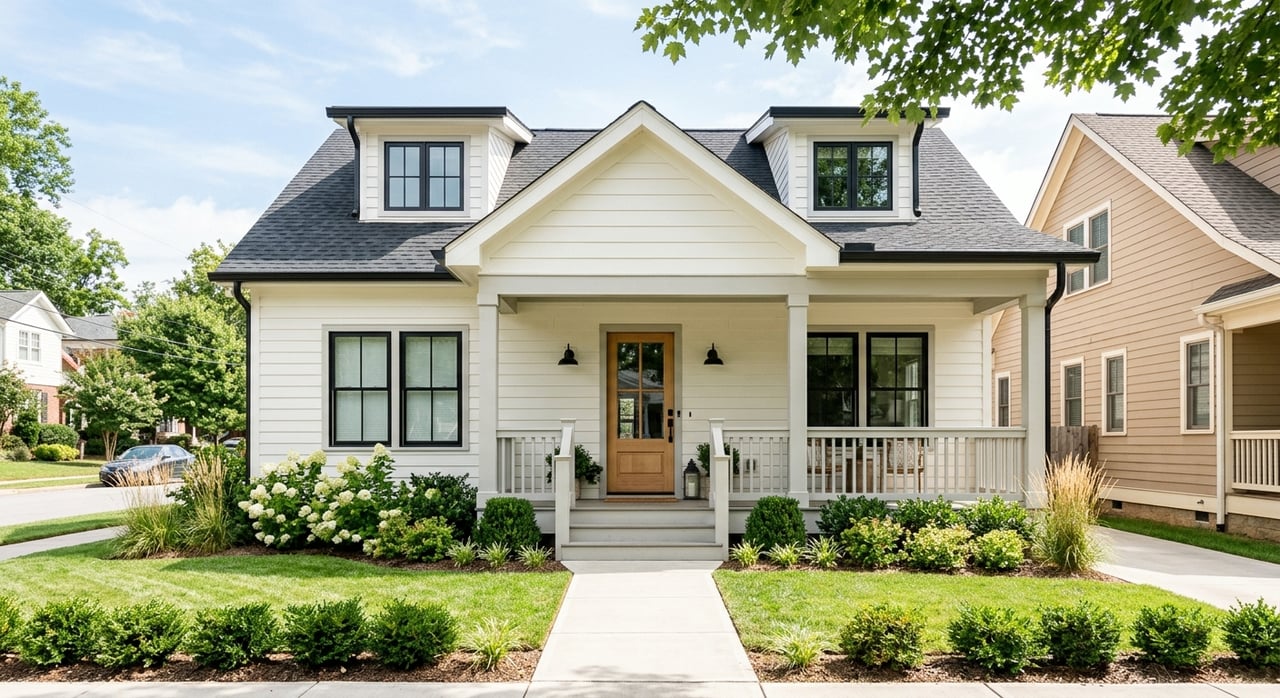
New construction in Del Ray is usually not flashy for the sake of being different. The City of Alexandria’s Del Ray pattern book says new homes should be compatible with nearby houses, including setbacks, height, roof shapes, porches, and window patterns, while still reflecting their own time. In practice, that means infill homes often aim to fit the streetscape rather than stand apart from it.
That context matters if you are hoping for a dramatic departure from the neighborhood’s established look. In Del Ray, new construction tends to be more context-sensitive than radically modern. You may still find updated interiors and larger footprints, but the outside often works hard to respect the surrounding block.
Inventory is also limited. Realtor.com’s Del Ray new-construction search currently shows 7 new-construction homes for sale, which makes this a small slice of the neighborhood’s overall inventory. If you want new construction here, you may need to be flexible about lot position, street presence, parking, and exact floor plan.
Benefits of buying new construction
For many buyers, the biggest draw is simplicity. New construction often offers a more turnkey experience, with modern layouts and newer systems that may reduce the chance of immediate repair needs.
Builder warranties can also provide peace of mind. The FTC says most newly built homes come with builder warranties that typically cover workmanship and materials for one year, HVAC, plumbing, and electrical for two years, and some structural defects for up to 10 years. That is different from a separate home warranty or service contract, which is usually an added cost on an existing home.
Energy performance may also be a factor. The U.S. Department of Energy says certified Efficient New Homes are designed for strong energy savings, comfort, health, and durability. If lower upkeep and a more current living experience are at the top of your list, new construction can be appealing.
Tradeoffs of buying new construction
The benefits of new construction usually come with tradeoffs. Realtor.com notes that new homes can involve higher upfront costs and longer build times. In a neighborhood like Del Ray, where inventory is already limited, that can mean fewer choices and less flexibility.
You may also find that the premium you pay is for convenience as much as square footage. A new home can give you a more open layout and newer materials, but it may not offer the same original architectural details or long-established feel that many buyers associate with Del Ray.
What resale homes offer in Del Ray
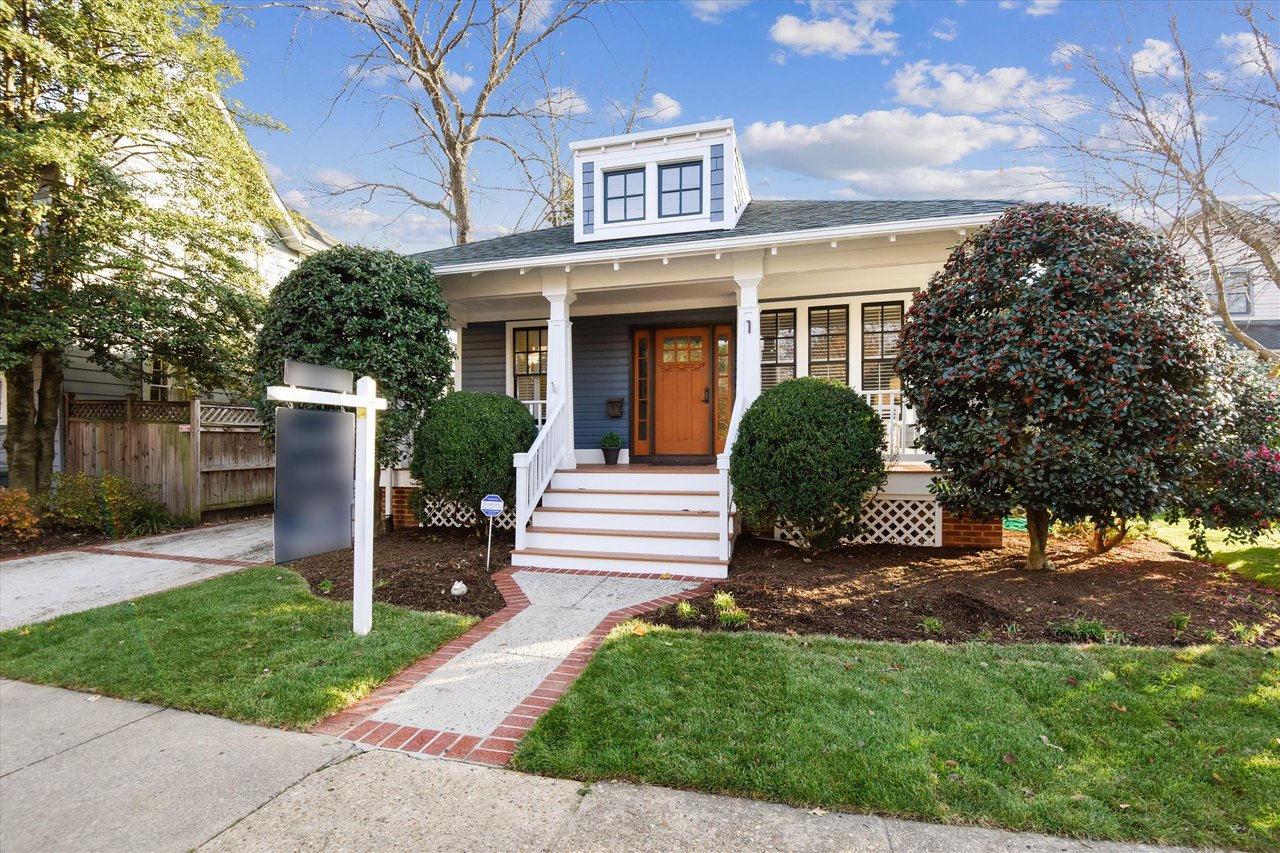
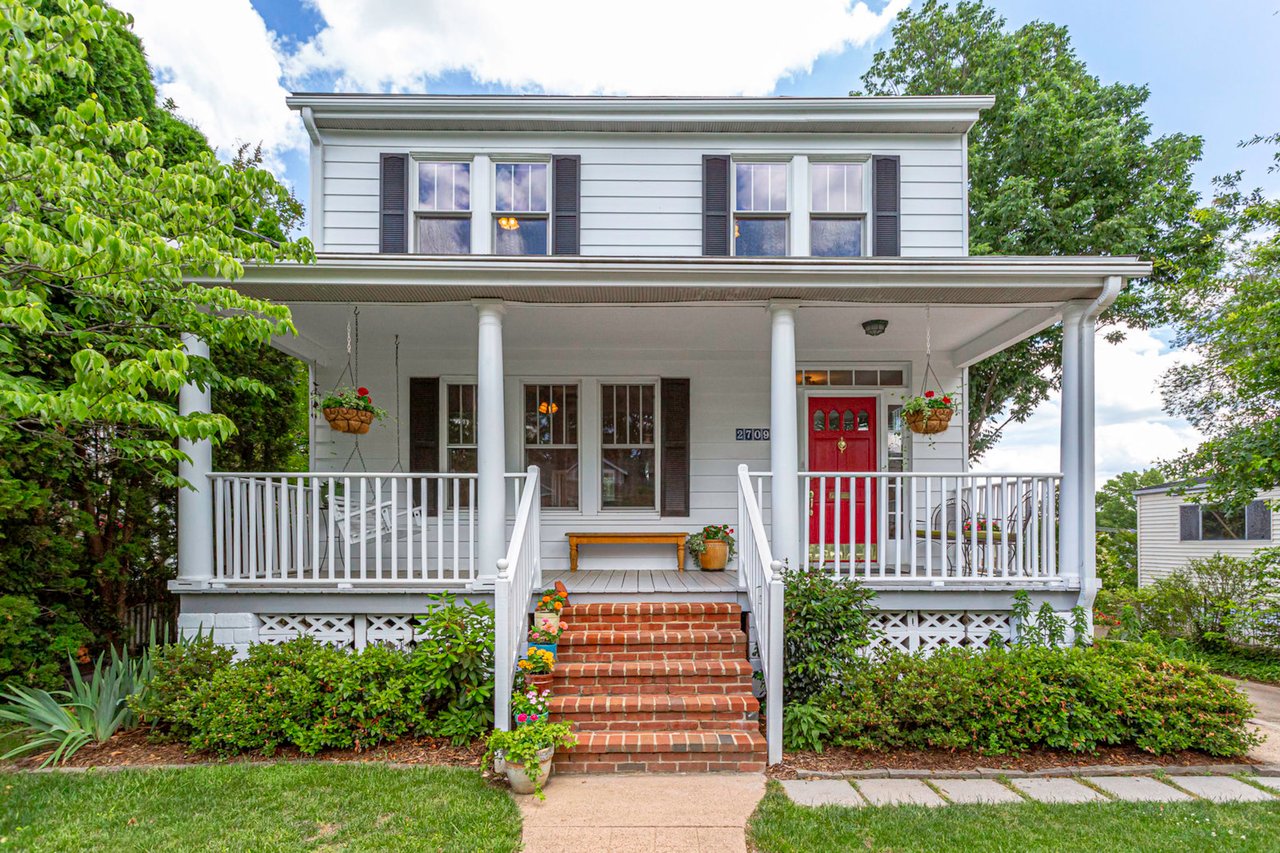
Resale homes are where Del Ray’s historic identity tends to show up most clearly. The city’s pattern book says the 1.5-story bungalow is the predominant form in the neighborhood, and Craftsman bungalows were especially popular because they offered a simpler lifestyle, open floor plans, natural light, and easy maintenance for their time.
You can still see many of the details that define that character. Full-width or generous front porches, grouped windows, exposed rafters, and tapered porch columns are part of the neighborhood’s visual language. If you are drawn to homes that feel rooted in Del Ray’s original scale and rhythm, resale often delivers that more directly.
The resale category is also broader than many buyers expect. In addition to detached homes, Del Ray includes semi-detached homes and some townhouses, especially in RB/Townhouse areas. That variety can create more options across different price points and space needs.
Benefits of buying resale
Character is usually the first advantage buyers notice. If porch life, mature streetscapes, and original details matter to you, resale homes often have the edge. Del Ray’s design guidance places strong value on front porches, compatible materials, window rhythm, and the way a house meets the sidewalk.
Resale may also offer more pricing variety. Homes.com’s 12-month market summary reports a median townhouse sale price of $759,500 versus $955,500 for single-family homes. For buyers comparing an older townhouse with a detached bungalow or a newer infill home, that gap can be useful when shaping a budget.
There is also room for evolution. The city notes that Del Ray homes often change over time, and additions, attic conversions, and basement conversions are common ways to improve function without a full rebuild. That can make a resale home attractive if you are open to thoughtful updates over time.
Tradeoffs of buying resale
The biggest consideration with resale is condition. Older homes usually require more judgment around maintenance, updates, and previous renovations. In Del Ray, that means looking carefully at prior additions and updated systems rather than assuming all older homes have been improved in the same way.
City guidance also makes clear that changes should respect the original house. Additions should remain subordinate to the main structure, should not extend above the roofline, and should be set back so old and new remain visually distinct. If you buy a resale home with renovation plans, those design expectations can shape what is practical.
Ownership costs may also feel less predictable. Unlike a new home with a builder warranty, an existing home may require repairs sooner, and a separate home warranty would be an optional extra rather than part of the purchase by default.
How to compare your options
In Del Ray, the better choice usually comes down to your priorities rather than a simple ranking of one category over the other. Start with the tradeoffs that will affect your daily life most.
Budget and price flexibility
Del Ray does not offer a simple new-versus-old discount. The overall neighborhood median listing price is $849,000, but the real decision is often whether you want the lower-upkeep appeal of a newer infill home or the wider price range found in older homes, especially townhouses.
If your budget is tight but Del Ray is the goal, resale may open more paths. If your budget allows for a premium and you value turnkey living, new construction may be worth the extra cost.
Maintenance and repairs
If you want fewer immediate projects, new construction usually has the advantage. Newer systems and builder warranty coverage can reduce early surprises and make the first years of ownership feel more predictable.
If you do not mind inheriting some maintenance questions, resale can still be a strong fit. You just need to go in with eyes open and evaluate condition, prior updates, and likely near-term improvements carefully.
Layout and livability
New construction is often the better fit if you want modern layouts and more open interior flow. For buyers relocating to the area or juggling busy work schedules, that simplicity can be a major plus.
Resale homes may feel more segmented, but that does not always mean less functional. In Del Ray, additions and attic or basement conversions are established ways homes have adapted over time, often while keeping the neighborhood’s scale intact.
Character and sense of place
If the emotional side of home matters most, resale usually wins in Del Ray. Older homes often feel more tied to the neighborhood’s identity through porches, details, and the way they sit on the lot.
New construction can still feel appropriate to the neighborhood, especially when it follows the city’s compatibility guidance. But if your ideal Del Ray home includes original architectural cues and a stronger sense of history, resale often aligns more closely.
Walkability and lifestyle
Both new construction and resale can offer a walkable Del Ray lifestyle. The neighborhood’s daily rhythm is anchored by Mount Vernon Avenue, which the City of Alexandria describes as Del Ray’s main street and a corridor heavily used by pedestrians, bicyclists, transit vehicles, and automobiles.
The city also notes the year-round Del Ray Farmers’ Market at East Oxford and Mount Vernon Avenues. In other words, your lifestyle choice in Del Ray is usually more about the exact block and home than whether the house is new or old.
A simple way to decide
If you want newer systems, a more turnkey move, and a modern floor plan, new construction may be the better fit. If you care most about porch-forward charm, architectural details, and a home that feels deeply connected to Del Ray’s streetscape, resale is often the stronger match.
In this neighborhood, the question is usually not whether Del Ray works for you. It is how much of the home’s work you want to inherit. The best choice is the one that fits your budget, your timeline, and your comfort level with maintenance or renovation.
When you are comparing homes in a fast-moving market, local context matters. A home that looks perfect on paper may feel very different once you factor in block character, lot orientation, parking, or the quality of past updates. That is where neighborhood-level guidance can make a real difference.
If you are weighing new construction versus resale in Del Ray and want advice tailored to your goals, The LizLuke Team can help you compare your options with a clear local lens.
FAQs
What is the main difference between new construction and resale homes in Del Ray?
- New construction usually offers newer systems, modern layouts, and builder warranties, while resale homes often offer more original character, porch-forward design, and a stronger connection to Del Ray’s historic streetscape.
How many new construction homes are usually available in Del Ray?
- New construction is a small part of Del Ray inventory. Realtor.com’s current Del Ray new-construction search shows 7 new-construction homes for sale.
Are resale homes in Del Ray usually more affordable than new construction?
- Not always, but resale often offers more pricing variety. Homes.com reports a median townhouse sale price of $759,500 compared with $955,500 for single-family homes in its 12-month market summary.
What should buyers check when considering an older Del Ray home?
- You should look closely at prior additions, updated systems, and overall maintenance. The City of Alexandria notes that Del Ray homes often evolve over time, so the quality and design of past changes matter.
Is Del Ray a competitive market for buyers right now?
- Yes. Realtor.com’s April 2026 summary shows 35 homes for sale, a median 25 days on market, and identifies Del Ray as a seller’s market in March 2026.
Does new construction in Del Ray look very different from older homes?
- Usually not dramatically. The City of Alexandria’s Del Ray pattern book says new construction should be compatible with surrounding homes in features like setbacks, height, roof shapes, porches, and window patterns.