If your ideal Alexandria home includes a real neighborhood feel and a commute you can do on foot, Rosemont deserves a close look. You may be trying to balance transit access, everyday quiet, and the kind of housing character that is hard to find near major stations. This guide will help you understand how Rosemont works for Metro-focused buyers, what the neighborhood feels like day to day, and how it compares with other Alexandria options. Let’s dive in.
Why Rosemont Stands Out
Rosemont is one of Alexandria’s classic streetcar suburbs, and that history still shapes how the neighborhood lives today. According to the Virginia Department of Historic Resources, the Rosemont Historic District spans about 84 acres, was developed between 1908 and 1914, and includes more than 450 residences.
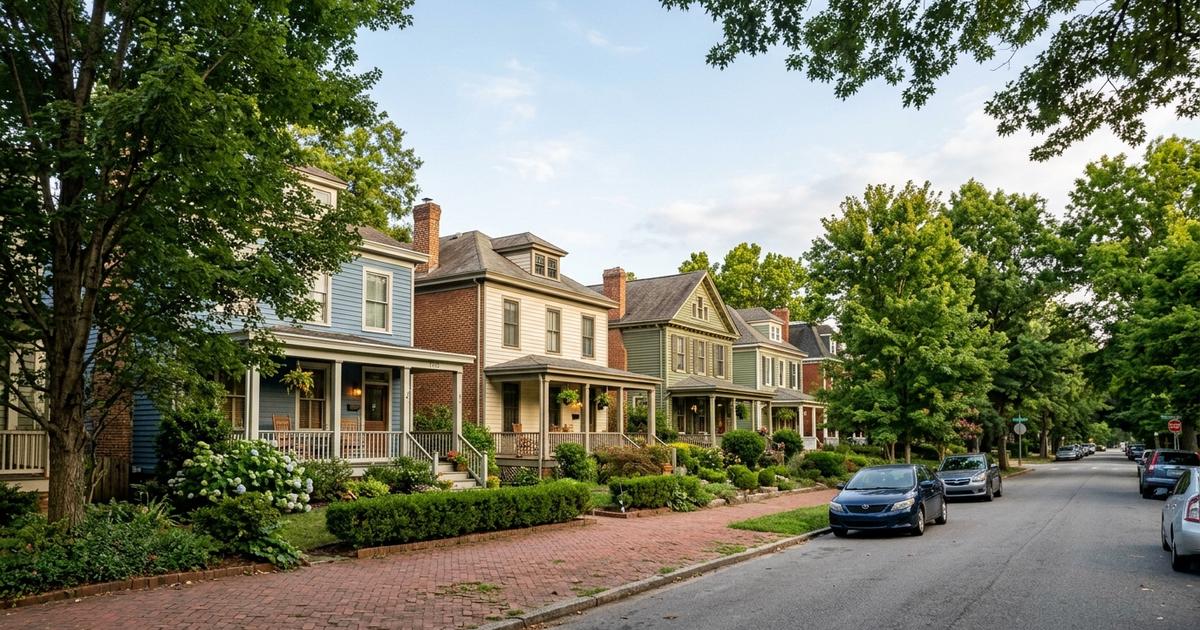
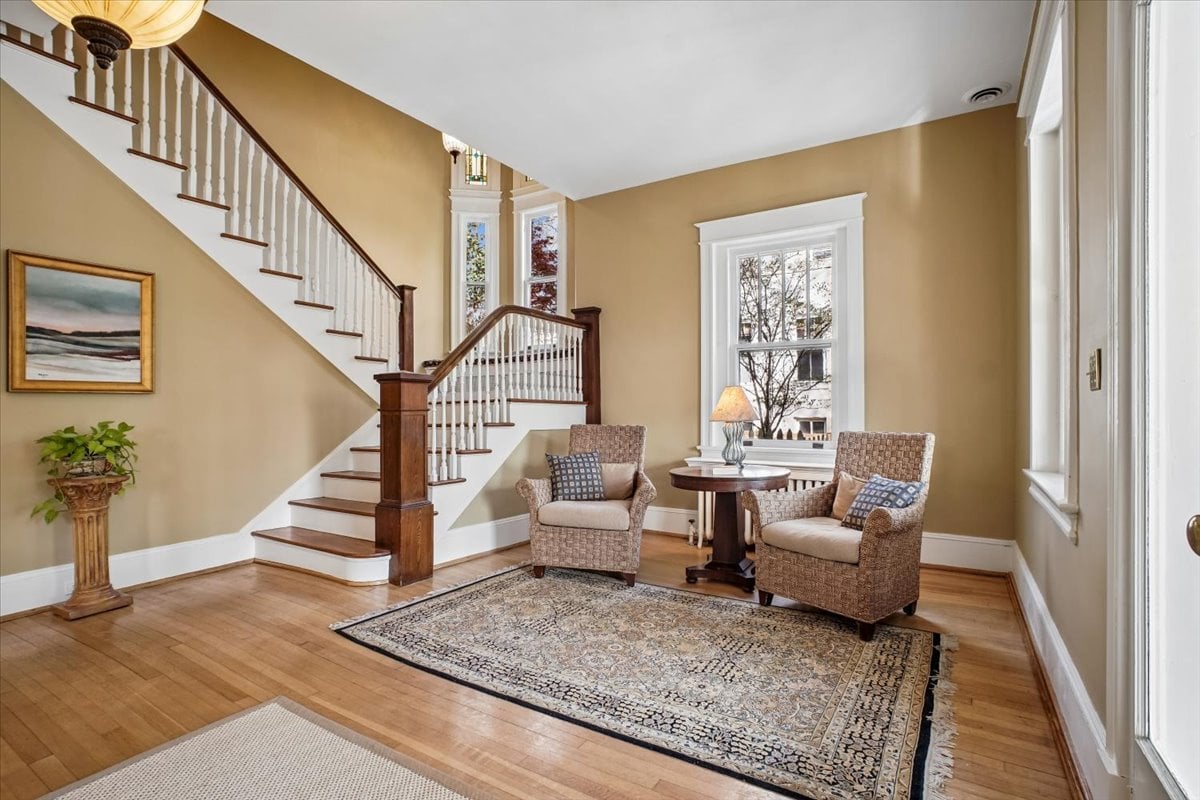
That early planning matters if you want walkability without giving up a residential setting. The original street plan remains intact, and the housing mix includes Craftsman, Arts and Crafts, and Colonial Revival homes. In practical terms, you get a neighborhood that feels established, tree-lined, and distinctly residential while still connecting well to transit.
Alexandria’s preservation materials tie Rosemont directly to the city’s streetcar-suburb story. The area developed near the old Leesburg Road corridor and was served by the Washington, Alexandria, and Mt. Vernon Electric Railway. That transit-first origin helps explain why Rosemont continues to appeal to buyers who want to walk to Metro today.
Walking to Metro From Rosemont
For many buyers, the biggest question is simple: can you realistically walk to the train every day? In Rosemont, the answer is often yes, but the exact experience depends on your block.
King Street-Old Town Access
King Street-Old Town is the neighborhood’s main Metro anchor for many addresses. A major reason is the Hooff’s Run greenway, which the City of Alexandria describes as a lighted path running parallel to Commonwealth Avenue from Rosemont Avenue to King Street.
That path can make the walk feel more direct and more usable for daily routines. If you are picturing a commute where you leave a quiet residential street and head toward one of the city’s major transit hubs, this is the setup many buyers find appealing.
King Street-Old Town is more than just a Metro stop. The City of Alexandria identifies it as the largest transit facility in the city, combining Metro, DASH buses, the King Street Trolley, bikeshare, bike parking, carshare, taxis, private shuttles, and nearby VRE and Amtrak service.
That range of connections can matter if your workweek is not one-size-fits-all. You may need Metro most days, but having rail, bus, trolley, and other options nearby adds flexibility that many buyers value.
Braddock Road Access
Rosemont can also function as a two-station neighborhood. Braddock Road is the second meaningful walk option, especially for some blocks closer to the north side of the neighborhood.
WMATA identifies Braddock Road as a Blue and Yellow line station with bike racks, lockers, and bikesharing. The city’s pedestrian-access study places parts of the Maple Street, Linden Street, and Rosemont Avenue area within the station walkshed, which supports the idea that some Rosemont homes have a practical walk to Braddock Road as well.
WMATA’s station vicinity map also helps explain the overlap between these station areas. It shows Braddock Road station about 0.85 mile, or roughly 17 minutes on foot, from the King Street-Old Town station exit. For buyers, that means Rosemont is not just a one-route neighborhood. Depending on where you live and where you are headed, you may have real choice.
What Daily Life Feels Like
Transit access is only part of the story. The bigger lifestyle question is whether Rosemont feels like the kind of place you want to come home to.
Historic Character and Streetscape
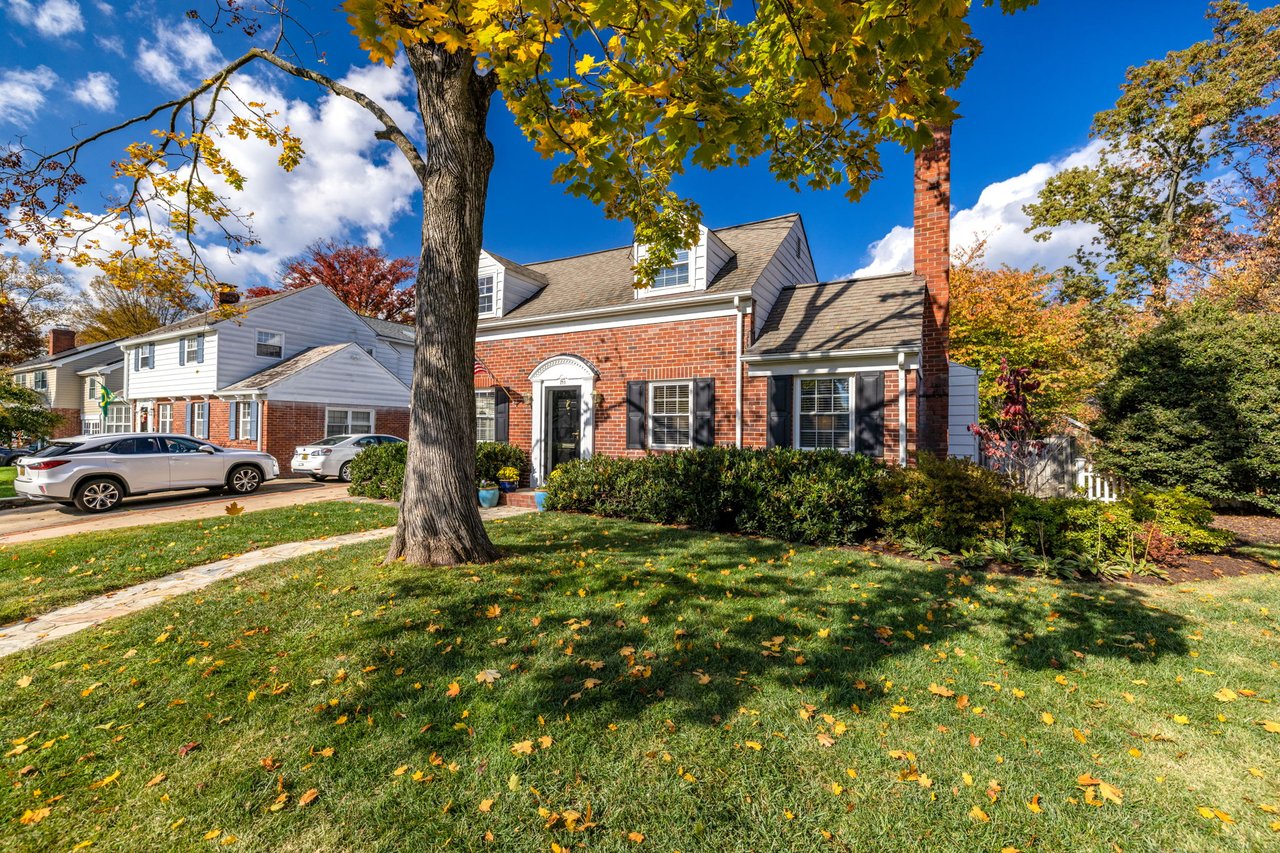
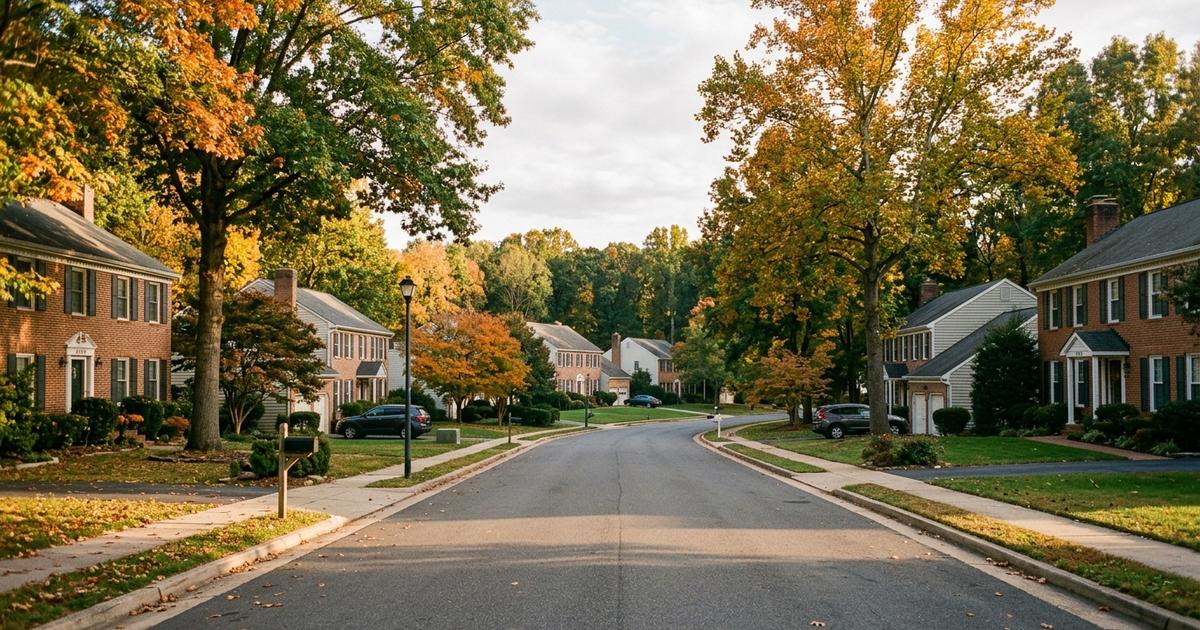
Rosemont’s built form is a major part of its appeal. The neighborhood is heavily tree-lined, compact, and cohesive, with an early-20th-century residential pattern that remains legible today.
Because the street layout and historic housing stock have stayed so intact, the neighborhood often feels calmer and more settled than station areas built around heavier commercial activity. If you want a walk-to-Metro location that still reads clearly as a residential neighborhood, Rosemont fills that niche well.
Parks and Outdoor Space
Rosemont’s outdoor spaces are neighborhood-scale rather than large regional destinations. That can be a plus if you want places that feel woven into daily life instead of requiring a dedicated outing.
Hooff’s Run Park and Greenway includes a playground, tennis court, and basketball area. The lighted greenway path also adds practical value because it helps connect the neighborhood to King Street.
Beach Park adds another local outdoor option, with playground and playing-field space. Together, these spaces reinforce Rosemont’s long-running civic identity and give the neighborhood an everyday, lived-in feel.
What You Get Near King Street
One of Rosemont’s advantages is that you can live in a quieter residential setting while staying close to a much broader amenity base. Once you reach King Street, the experience changes quickly.
The City of Alexandria describes King Street as a thriving commercial corridor. The King Street Trolley runs every 15 minutes between King Street station and City Hall/Market Square, with stops serving shops, restaurants, and attractions along Alexandria’s historic main street.
That matters if you want your home environment to feel peaceful, but you still want easy access to dining, errands, and activity. Rosemont lets many buyers separate where they sleep from where they plug into the city’s busiest amenity corridor.
How Rosemont Compares With Other Walk-to-Metro Areas
If you are deciding among Alexandria neighborhoods, Rosemont often makes the shortlist because it sits between several different lifestyle options. Here is how it generally compares.
Rosemont vs. Old Town
Old Town and the King Street area offer the most urban, amenity-rich version of walkable Alexandria living. The city describes Old Town as the historic urban core, and King Street functions as the city’s premier multi-modal hub.
If your top priority is being in the middle of restaurants, shops, and waterfront activity, Old Town may feel like the stronger fit. If you want easier access to that scene while living in a quieter, more residential setting, Rosemont often feels more balanced.
Rosemont vs. Braddock Road and North Old Town
Braddock Road and nearby North Old Town are more station-first in feel. WMATA identifies Braddock Road as a Blue and Yellow line station with bus and trail connections, and the city’s corridor planning focuses on improving pedestrian and bicycle access around that transit area.
Compared with Rosemont, this area tends to read as more transit-corridor-oriented and less leafy. Buyers who want the station experience front and center may lean that way. Buyers who want more historic residential character often prefer Rosemont.
Rosemont vs. Del Ray
Del Ray is a strong alternative for buyers who want a more active main-street identity. The city notes its roots as a commuting suburb served by light rail, while current neighborhood materials emphasize Mount Vernon Avenue, festivals, murals, Metrobus access, and bikeshare.
That gives Del Ray a more community-event-heavy and street-life-oriented profile. Rosemont usually feels more subdued and more classically residential, which can be exactly what some Metro-oriented buyers want.
Rosemont vs. Potomac Yard
Potomac Yard is the modern contrast. The City of Alexandria highlights its newer Metro station, frequent Metroway bus rapid transit service, and a regional park with playgrounds, courts, trails, and a sprayground.
For many buyers, the comparison comes down to newer development and mixed-use convenience versus older-home character and a quieter neighborhood feel. Rosemont usually wins on historic charm and established residential identity. Potomac Yard often appeals more to buyers focused on newer construction and a more contemporary setting.
Who Rosemont Fits Best
Rosemont tends to work well if your priorities line up in a specific way. It is especially appealing when you want to walk to Metro without feeling like you live in the middle of a commercial district.
You may want to look more closely at Rosemont if you are searching for:
- A residential neighborhood with a practical Metro walk
- Access to both King Street-Old Town and, for some blocks, Braddock Road
- Historic homes and early-20th-century character
- Tree-lined streets and a calmer day-to-day feel
- Easy reach to King Street amenities without living directly in the busiest areas
That middle-ground identity is Rosemont’s real strength. It is not the most urban choice, the newest choice, or the most event-driven choice. It is the option that blends neighborhood quiet with genuine transit convenience.
What to Keep in Mind as You Search
If Rosemont is on your list, your exact location within the neighborhood matters. Not every block will have the same walking pattern, and your preferred station may change based on your route, work schedule, and tolerance for hills, traffic crossings, or travel time.
It also helps to think beyond the station itself. In Rosemont, the value is often the combination of historic housing stock, intact streetscape, neighborhood parks, and access to King Street’s larger transportation network.
That is why buyers often respond so strongly to the area once they see it in person. On paper, Rosemont checks the commute box. In real life, it also delivers a setting that feels established, connected, and distinctly Alexandrian.
If you are trying to decide whether Rosemont fits your commute, lifestyle, or next move in Alexandria, The LizLuke Team can help you compare blocks, housing options, and neighborhood tradeoffs with the kind of local perspective that makes a difference.
FAQs
Is Rosemont Alexandria a walk-to-Metro neighborhood?
- Yes. For many addresses, King Street-Old Town is the most natural Metro anchor, and some Rosemont blocks also have a practical walk to Braddock Road.
Which Metro station is closest to Rosemont Alexandria?
- King Street-Old Town is the primary station for many Rosemont homes, helped by the Hooff’s Run greenway path, while some parts of the neighborhood also fall within the Braddock Road walkshed.
What is the Rosemont neighborhood in Alexandria known for?
- Rosemont is known for its historic streetcar-suburb roots, tree-lined residential streets, and housing character that includes Craftsman, Arts and Crafts, and Colonial Revival homes.
Does Rosemont Alexandria have parks and outdoor space?
- Yes. Hooff’s Run Park and Greenway includes a playground, tennis court, basketball area, and a lighted path, and Beach Park offers neighborhood playground and playing-field space.
How does Rosemont compare with Old Town Alexandria for buyers?
- Old Town offers a more urban, amenity-dense setting, while Rosemont offers a quieter residential feel with access to King Street and Metro.
Is Rosemont Alexandria quieter than other Metro-accessible neighborhoods?
- Rosemont generally feels calmer and more settled than busier station areas because of its intact residential layout, tree-lined streets, and historic housing stock.