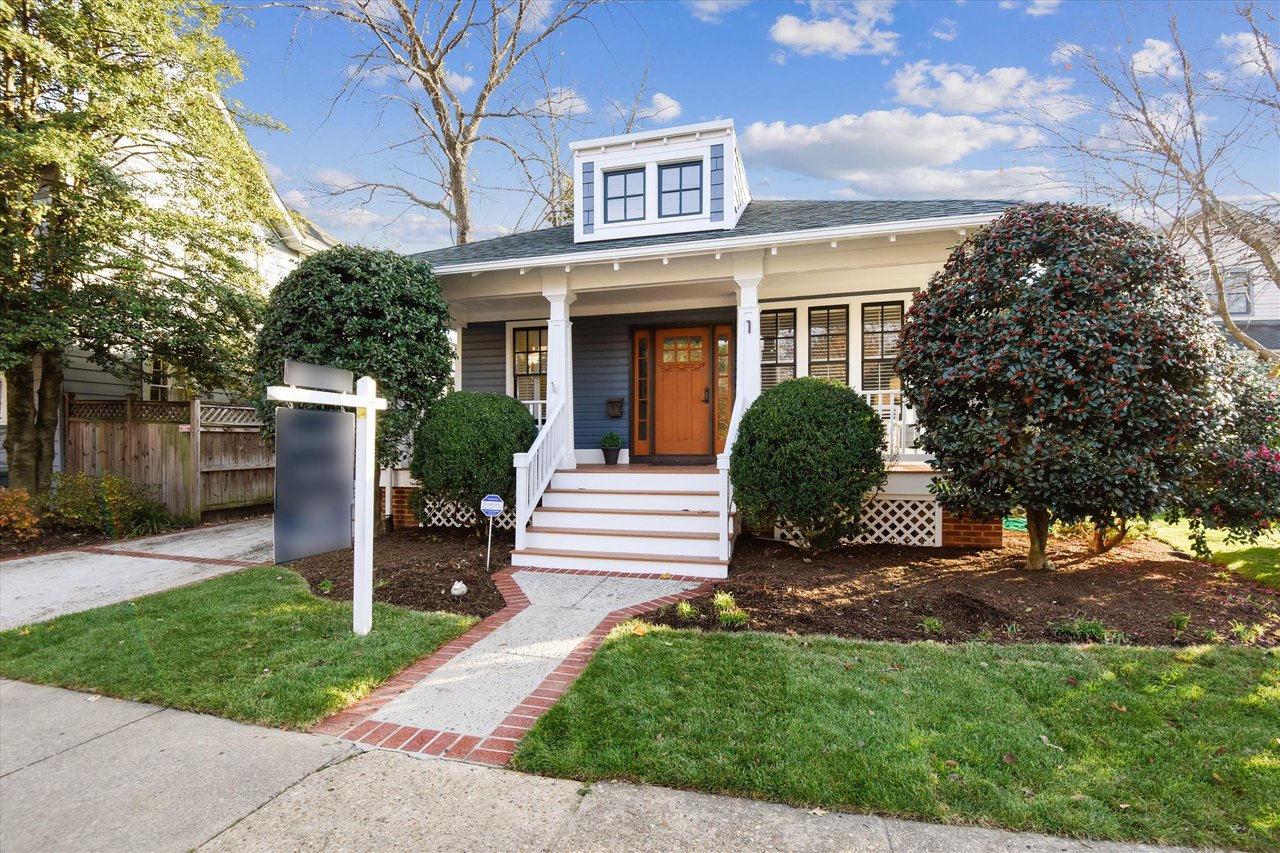
If you own a Rosemont bungalow or Cape Cod, you are not just selling square footage. You are selling charm, history, and a way of living that feels connected to one of Alexandria’s most recognizable neighborhoods. The challenge is that buyers still want that character to feel easy, polished, and move-in ready. This is where smart positioning matters. Below, you’ll learn how to prepare, present, and market your Rosemont home so it stands out for the right reasons. Let’s dive in.
Why Rosemont positioning matters
Rosemont is one of Alexandria’s seven National Register Historic Districts, and the neighborhood is known for its intact early-20th-century character. Many homes were built between 1908 and 1930, including Craftsman bungalows, Arts and Crafts homes, Colonial Revival houses, and compact Cape Cods. That means architectural detail is not just background texture. It is part of your home’s appeal.
Rosemont also has a story buyers understand quickly. The neighborhood grew as an early trolley suburb and sits next to Alexandria Union Station, which reinforces its sense of connection and convenience. When your home hits the market, the goal is to show both sides of that story: preserved character and functional daily living.
Start with the right selling strategy
In a neighborhood like Rosemont, buyers usually notice presentation before they notice nuance. A well-positioned listing helps them see how an older home can still feel bright, efficient, and easy to maintain. That matters because buyer research shows condition remains a major priority.
Bright MLS found that 56.1% of prospective buyers said a home requiring no repairs was very important, and 37.8% said it was somewhat important. Buyers were willing to compromise on size and even location-related preferences before giving up on condition. For a smaller historic home, that means your presentation needs to reduce friction from the first photo to the final showing.
Focus on move-in-ready appeal
That does not mean stripping away original style. It means helping buyers feel that the home has been cared for and functions well today. Clean finishes, fresh paint, good lighting, and obvious upkeep can do more for your sale than over-customized updates.
Price from Rosemont comps, not city averages
Alexandria remains an active market, but Rosemont operates as its own premium submarket. Citywide numbers vary by source, yet the bigger takeaway is consistent: buyers are active, but weak presentation does not get a free pass. Rosemont’s pricing and pace should be judged by current neighborhood-level comparable sales and active competition, not by broad Alexandria averages.
Highlight what makes a bungalow special
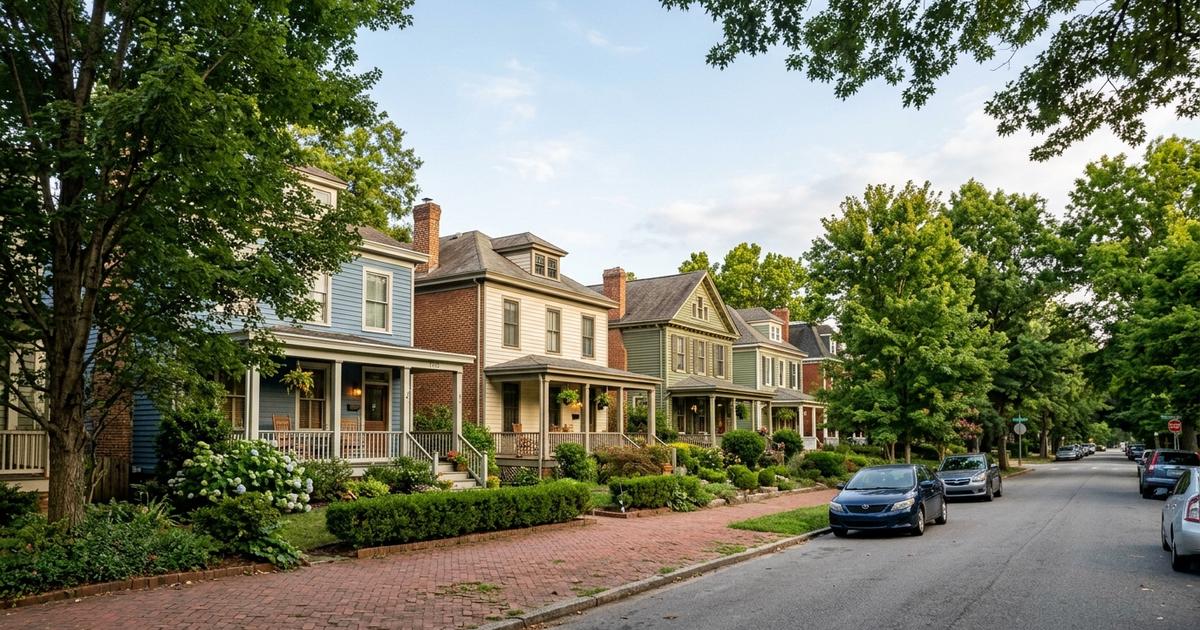
Bungalows are typically modest in scale, often with sloping roofs and inviting porches. In Rosemont, that porch-forward style can be a real advantage because buyer research shows front porches, walkability, commute distance, and outdoor space matter to many buyers. Your job is to make those features feel useful and welcoming.
A bungalow should feel efficient, warm, and light-filled. If rooms are crowded or overly personalized, buyers may focus on the home’s size instead of its charm. The best presentation keeps the layout feeling open and intentional.
Make the porch part of the sale
A front porch can help create an immediate emotional connection. Keep it clean, sweep regularly, and use simple seating or a small table only if the space can handle it comfortably. You want buyers to picture morning coffee, not extra maintenance.
Protect original details
If your bungalow has trim, built-ins, wood floors, or period windows, treat those as selling features. Clean, repair, and present them well. In Rosemont, preserved character often adds to the property narrative, especially when paired with fresh and simple finishes.
Showcase Cape Cod strengths
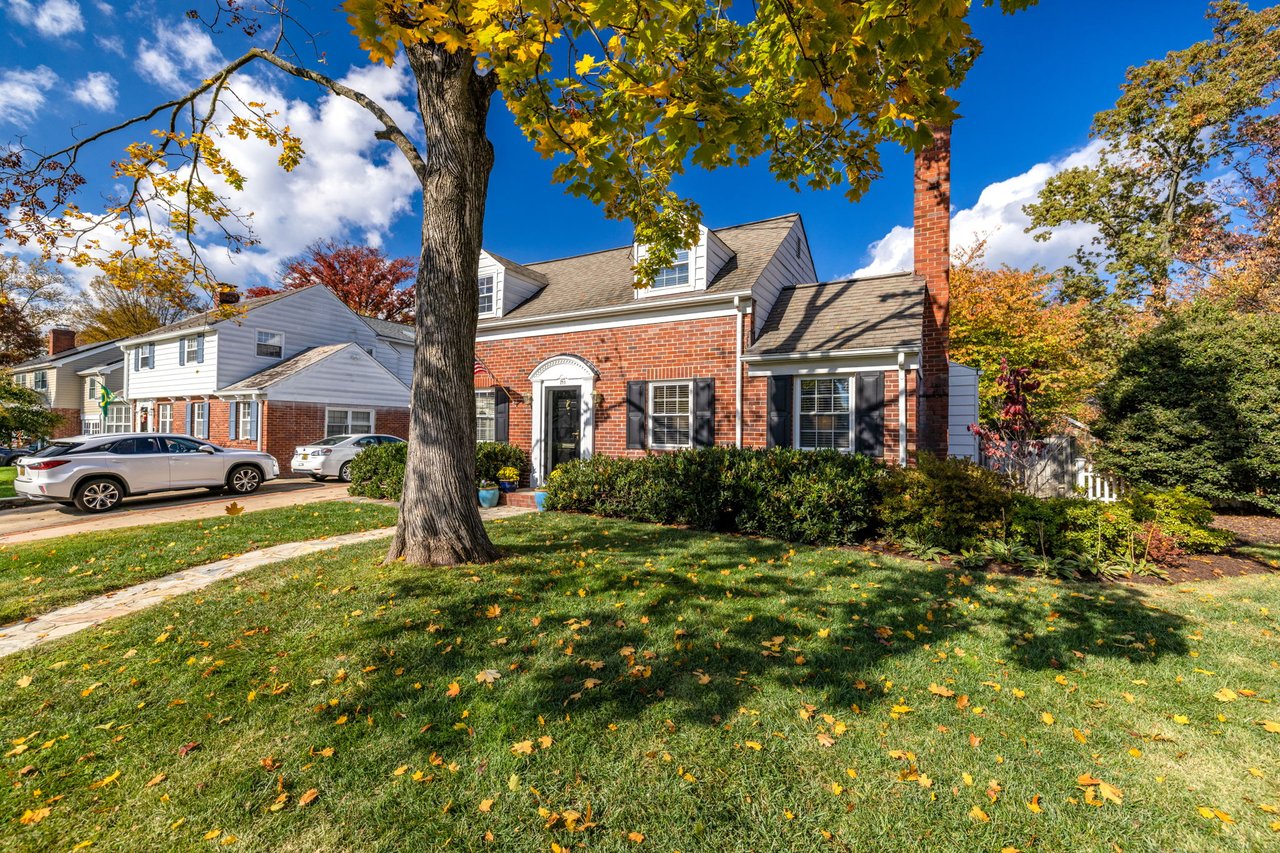
Cape Cod homes usually offer a different kind of appeal. Their steep roofs, dormers, and symmetrical facades create a classic look that many buyers find timeless. Inside, the challenge is often helping buyers understand room function and feel confident about scale.
That means each room needs a clear purpose. If an upper-level room could be a bedroom, office, or sitting area, stage it with one strong use instead of trying to show three possibilities at once. Clarity tends to make compact homes feel more usable.
Help buyers read the layout
Cape Cods can have sloped ceilings, dormer nooks, and smaller upstairs rooms. Lean into those features without letting them create visual clutter. Use appropriately scaled furniture and leave enough open floor area so buyers can move through the room easily.
Keep the exterior simple and crisp
Because Cape Cod architecture is known for its straightforward, balanced look, exterior presentation matters. Fresh paint, tidy walkways, trimmed landscaping, and a polished front door can make the whole property feel more cared for before a buyer ever steps inside.
Prioritize the updates with the best payoff
If you are planning to sell in the next 6 to 12 months, focus your budget where buyers will notice it most. Rosemont sellers often have more flexibility for cosmetic pre-listing improvements because National Register districts in Alexandria are not regulated by the city’s Historic Preservation department in the same way local historic districts are. That can make planning easier when you want to improve presentation without taking on a full renovation.
The smartest updates are usually visible, practical, and tied to curb appeal or condition. You do not need to overbuild for the neighborhood to make an impact.
Best pre-list update priorities
- Fresh, neutral interior paint
- Refinished or deep-cleaned floors
- Updated light fixtures where needed
- Front door paint or replacement if worn
- Clean, simple landscaping
- Pressure washing of walks, steps, and exterior surfaces
- Minor hardware and cabinet updates
- Caulking, patching, and touch-up repairs
NARI’s summary of the 2025 Cost vs. Value report found that exterior projects made up eight of the top 10 ROI categories nationally. For Rosemont homes, that supports a practical approach: improve first impressions, entry presentation, and visible maintenance before taking on large structural work.
Stage for flow, light, and storage
Staging can be especially important in smaller homes. According to NAR’s 2025 staging report, 83% of buyers’ agents said staging makes it easier for buyers to envision the property as their future home, and nearly half said staging can shorten time on market. That matters in Rosemont, where many homes need to feel efficient rather than expansive.
NAR also recommends decluttering, neutral paint, removing bulky furniture, packing away personal items, and keeping closets about half full. Those steps can dramatically change how a bungalow or Cape Cod reads online and in person.
Stage the rooms that matter most
NAR identifies the living room, primary bedroom, and kitchen as the most important spaces to stage. Dining areas and outdoor spaces also deserve attention. In a Rosemont home, those spaces often shape whether buyers feel the house is ready for modern living.
Use this staging order
- Living room: Show seating, traffic flow, and natural light.
- Kitchen: Clear counters and highlight workspace.
- Primary bedroom: Create a calm, uncluttered retreat.
- Dining area: Help buyers understand everyday use.
- Closets and storage: Edit aggressively so spaces feel larger.
- Outdoor areas: Add simple, clean furniture only if it improves function.
Make outdoor space feel valuable
Outdoor presentation carries real weight with buyers. Zillow’s 2025 research found that buyers remain willing to pay at least 2% more for homes with features like outdoor kitchens, pizza ovens, and bluestone patios, and outdoor living continues to rank high on wish lists. Not every Rosemont home has room for major outdoor additions, but almost every listing can benefit from a better outdoor story.
That story might be a clean patio, a usable backyard corner, or a porch that feels inviting. The key is to make outdoor space look intentional. Buyers should see possibility, not a project list.
Easy ways to improve outdoor appeal
- Define one clear seating or dining area
- Trim overgrowth and open sight lines
- Add fresh mulch if appropriate
- Keep grass, brick, or hardscape areas neat
- Remove excess pots, tools, and yard clutter
- Make sure gates and fences open cleanly
Write the listing around lifestyle and function
Your marketing should reflect how buyers actually search. In Rosemont, the strongest story is usually a mix of historic character, compact livability, and neighborhood convenience. The city’s preservation materials support Rosemont’s identity as an intact early-20th-century suburb, while current buyer research points to strong interest in porches, walkability, commute access, and outdoor space.
That means your listing copy should do more than mention a charming facade. It should connect features to daily life. A bright breakfast nook, usable porch, efficient floor plan, and proximity to transportation or neighborhood amenities all help buyers understand value.
What your listing should communicate
- The home’s architectural character
- The condition and care of the property
- How the layout lives day to day
- The usefulness of outdoor space
- Rosemont’s convenience and historic setting
Avoid the most common seller mistakes
Even in a desirable neighborhood, some listings lose momentum because they are not positioned carefully enough. Overpricing, deferred maintenance, dark photography, or rooms that feel too small can all weaken buyer response. In a market where inventory is rising and demand is expected to remain stable, presentation and pricing discipline matter.
Rosemont buyers are often drawn to the neighborhood for its identity and location, but they still compare condition closely. If your home feels harder to manage than the competition, buyers may hesitate. The goal is to make your house feel distinctive and easy.
Watch out for these issues
- Oversized furniture in small rooms
- Too many personal items on display
- Ignoring minor repairs buyers will notice
- Underplaying porch or yard potential
- Pricing based on emotion instead of micro-market data
- Updating in a style that fights the home’s architecture
Why local guidance can make a difference
Selling a Rosemont bungalow or Cape Cod is rarely about one big trick. It is about making smart choices in the right order, then presenting the home with care. Small decisions around prep, staging, pricing, and marketing can have a big effect on how buyers perceive value.
That is where neighborhood-level expertise matters. A seller in Rosemont benefits from guidance that understands Alexandria, current buyer expectations, and how to market a home whose charm is part of the product.
If you are thinking about selling your Rosemont home, the right plan starts with a clear look at condition, competition, and what buyers will respond to most. For tailored advice and a polished listing strategy, connect with The LizLuke Team.
FAQs
How should you prepare a Rosemont bungalow for sale?
- Focus on decluttering, neutral paint, lighting, porch presentation, and minor repairs so the home feels bright, efficient, and move-in ready.
What updates matter most before selling a Rosemont Cape Cod?
- Exterior and entry improvements, fresh paint, flooring touch-ups, lighting, and simple landscaping often offer the strongest payoff for presentation.
Why does staging matter for a Rosemont historic home listing?
- Staging helps buyers picture how a compact historic home lives day to day, especially in the living room, kitchen, primary bedroom, and outdoor spaces.
How should you price a home in Rosemont Alexandria?
- Price should be based on current Rosemont comparable sales and active listings rather than broad Alexandria averages, since Rosemont behaves like a premium submarket.
What features do buyers value in Rosemont homes?
- Buyers often respond to move-in-ready condition, front porches, outdoor space, walkability, commute convenience, and preserved architectural character.