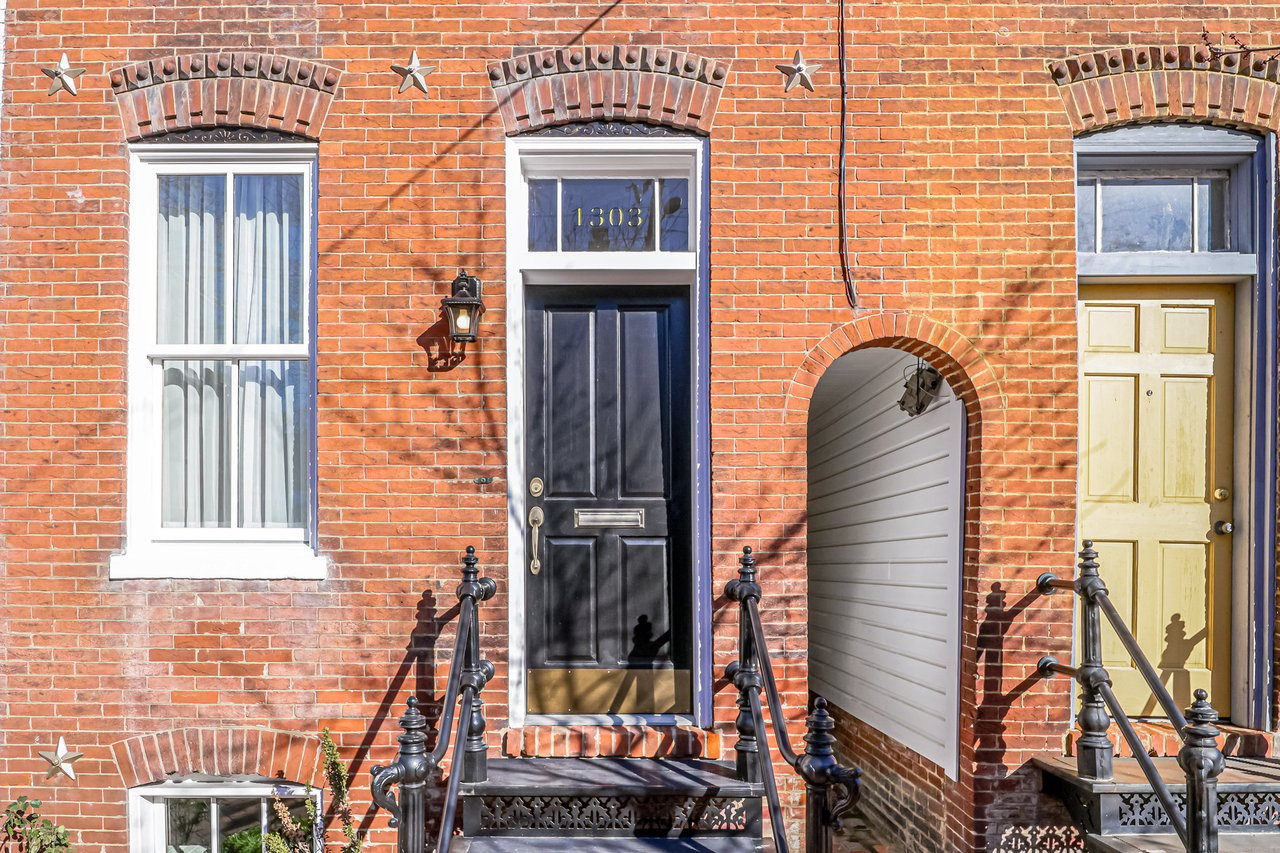
Selling a historic home in Old Town is not the same as selling just any home in Alexandria. You want to protect the character that makes your property special, but you also want it to feel polished, well cared for, and ready for today’s buyers. With the right prep, you can do both and avoid last-minute surprises along the way. Let’s dive in.
Why Old Town prep takes extra planning
Old Town Alexandria is one of the region’s most preservation-sensitive areas. The city notes that more than 200 structures in Alexandria were built before 1820, and most of them are in Old Town. The Old and Historic District was designated in 1946, which means many homes fall under local preservation review.
That matters when you are getting ready to list. In local historic districts, exterior changes visible from a public right-of-way generally require a Certificate of Appropriateness, while interior work does not. Some qualifying projects can be approved administratively, often in less than five business days once the application is complete.
If your project does not qualify for administrative approval, timing becomes more important. Board of Architectural Review hearings are held on the first and third Wednesday of most months, and complete applications must be submitted at least 30 days before the hearing date. If you wait too long to sort out approvals, your listing timeline can get pushed back.
Confirm what rules apply first
Before you schedule repairs or call a contractor, confirm whether your home is in a local historic district or is a designated 100-year-old building. Alexandria makes an important distinction between local historic districts and National Register districts, and the review rules do not apply the same way to both.
This first step can shape your entire prep plan. A routine cleanup may move quickly, while a visible exterior change could need review. Knowing that difference early helps you focus your budget on work that supports your listing instead of creating delays.
Focus on low-touch curb appeal
For many Old Town sellers, the smartest updates are the least flashy ones. Cleanup, pruning, and minor repair usually improve first impressions without changing the home’s historic character. That approach also aligns well with the city’s maintenance and preservation guidance.
Alexandria’s maintenance code requires owners to address trash and debris, tall grass and weeds, and structural deficiencies. Residential owners are also responsible for maintaining sidewalks adjacent to their property, and the city asks residents to pick up litter around the property rather than sweeping it into the street.
A simple exterior reset can go a long way before photos and showings. Start with the basics:
- Remove trash, leaves, and debris
- Trim overgrown plantings
- Check sidewalks and entry paths
- Repair minor wear that affects appearance or function
- Freshen the front entry without altering historic details
These steps help buyers notice the home itself, not a to-do list.
Preserve original windows and doors
Windows and doors often carry a lot of a historic home’s visual identity. In Old Town, the city’s guidance clearly favors repair over replacement for windows. Routine maintenance can include glazing putty, replacing broken panes, repainting loose paint, adding weatherstripping, and using storm windows.
If windows are visible from the public right-of-way, major repairs or replacement generally require review. The city’s guidelines also state that vinyl windows and insert windows are not appropriate in the Old and Historic Alexandria District. The Board also discourages cladding or capsulating existing wood jambs, sills, or trim.
That does not mean you have to ignore comfort or efficiency. The city encourages low-E glass when it meets visibility and reflectance thresholds, and clear, non-reflective storm windows are not BAR-regulated as long as they remain visually unobtrusive. For sellers, that creates a useful middle ground between preservation and performance.
Doors deserve the same careful approach. The city says doors and garage doors should match the structure’s architectural style and retain character-defining features. Ornate storm-door scrollwork and security bars are discouraged, and a new visible door in an existing wall requires a Certificate of Appropriateness.
Be careful with siding, trim, and masonry
Historic exteriors in Old Town are not a place for quick cosmetic shortcuts. Alexandria treats siding and trim as character-defining features, and repairs should match the existing material and profile. Aluminum and vinyl siding are not considered appropriate under the city’s guidance.
If your home has painted wood siding, well-executed maintenance can make a strong difference in photos and in-person showings. The city does not review field-applied paint colors on non-masonry siding, though historically appropriate colors are encouraged. That gives you some flexibility without pushing into unnecessary change.
Masonry requires even more caution. Painting previously unpainted masonry requires a Certificate of Appropriateness, while repointing and repair proposals are reviewed administratively. If your brick or masonry details are part of the home’s appeal, preserving and maintaining them is usually a stronger strategy than trying to modernize them.
Keep rooflines, fences, and railings in character
Old Town buyers often notice exterior details right away. Roof materials, fences, gates, stoops, and railings all contribute to the overall feel of the property. Alexandria’s roofing guidance favors preserving original or existing materials whenever possible and matching them if replacement is needed.
For some later buildings, composition shingles may be acceptable if they suit the style. Gutters and downspouts do not require BAR approval, which can make them an easier item to address before listing if they need attention.
For fences, walls, and gates, the city prefers architecturally appropriate materials such as wood, metal, and masonry. Poured concrete, fiberglass, and vinyl are discouraged. If you are considering work on stoops or railings, keep in mind that a survey plat may be needed to confirm there is no encroachment on neighboring property or the public right-of-way.
Check lead-safe requirements early
If your home was built before 1978, lead-based paint rules should be on your pre-listing checklist. Federal law requires lead-based paint disclosure before the sale or lease of most housing built before 1978. Renovation, repair, or painting work that disturbs lead-based paint must also be completed by lead-safe certified contractors.
In practical terms, even a smaller prep project can become more complicated if it affects older painted surfaces. That is especially true when the project involves visible exterior features in a preservation-sensitive area. It is wise to account for both preservation review and lead-safe work requirements before your schedule gets tight.
Stage for character, not over-updating
When you prepare a historic home for market, your goal is not to erase its age. Your goal is to help buyers see how beautifully that character fits modern living. A restrained presentation often works best in Old Town because it lets original details stand out.
The 2025 Profile of Home Staging found that 83% of buyers’ agents said staging makes it easier for buyers to visualize a property. The same report found that 29% reported a 1% to 10% increase in perceived value, and 49% of sellers’ agents said staging reduced time on market.
That data supports a clean, thoughtful strategy. Decluttering, cleaning, and improving curb appeal were among the most common seller recommendations in the report, and buyers also respond to strong visual marketing like photos, traditional staging, videos, and virtual tours.
For an Old Town home, focus on showcasing the details buyers cannot find everywhere else. That may include:
- Original or repaired sash windows
- Historically appropriate door hardware
- Clear storm windows that stay visually unobtrusive
- Color-matched trim
- Cleaned and maintained masonry
- Ironwork, shutters, fences, and stair details that have been preserved rather than replaced
These are not small details in a historic listing. They help tell the story of the home and can make your property feel authentic, cared for, and memorable.
Build your prep plan around timing
One of the biggest mistakes sellers make is treating historic-home prep like a standard cosmetic punch list. In Old Town, timing matters because some projects are simple maintenance, some need administrative review, and some require a full hearing schedule.
A smart pre-listing plan usually starts with identifying what is purely cosmetic, what is regulated, and what can wait for the next owner. That lets you invest where it counts and avoid spending time on changes that could create review issues or weaken the home’s historic appeal.
Working with a local team that understands Old Town can make this process much smoother. When your pricing, presentation, timeline, and marketing all reflect how buyers respond to historic homes here, you are in a much stronger position when your property goes live.
If you are thinking about selling a historic home in Old Town, the right strategy starts before the listing goes live. The [The LizLuke Team] can help you build a smart prep plan, highlight the details buyers value most, and bring your home to market with the polished, neighborhood-specific approach Old Town deserves.
FAQs
What makes preparing an Old Town Alexandria home different from preparing another home?
- Old Town homes may fall within a local historic district or be designated 100-year-old buildings, which means visible exterior changes may require city review before you list.
What exterior work in Old Town Alexandria may require approval?
- Exterior changes visible from a public right-of-way generally require a Certificate of Appropriateness, while some qualifying projects may be approved administratively if the application is complete.
Can you replace windows in a historic Old Town home before listing?
- Window replacement visible from the public right-of-way generally requires review, and Alexandria’s guidelines favor repair over replacement while stating that vinyl and insert windows are not appropriate in the district.
What are the safest curb appeal updates for an Old Town seller?
- Cleanup, pruning, litter removal, sidewalk upkeep, and minor repairs are usually the safest updates because they improve appearance without changing historic character.
Do you need to worry about lead paint when selling an older Old Town home?
- Yes, if the home was built before 1978, lead-based paint disclosure is generally required before sale or lease, and any renovation, repair, or painting that disturbs lead-based paint must be done by lead-safe certified contractors.
How should you stage a historic home in Old Town Alexandria?
- Use a restrained approach that highlights original or repaired features like sash windows, masonry, trim, ironwork, doors, and stair details rather than over-updating the home.