Updated September 2026
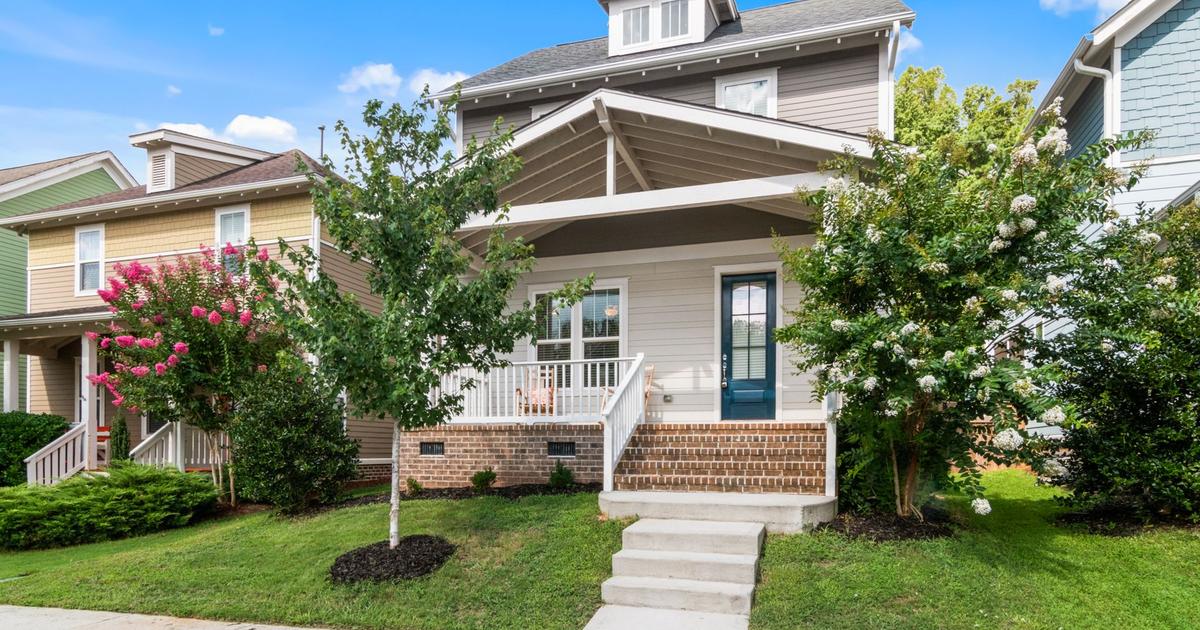
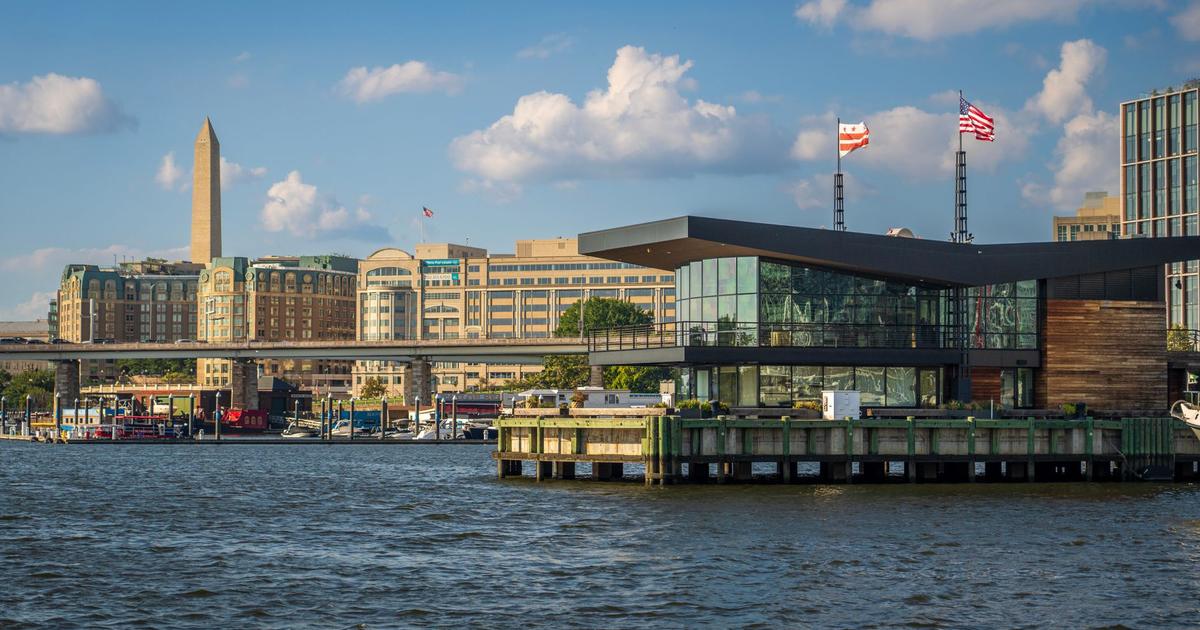
You found it. The brick house a block off the river, or the condo where you can hear the halyards on the boats at night. You're already picturing coffee on the stoop and evening walks along The Strand.
Then someone says the words flood zone, and the picture gets complicated.
It doesn't have to kill the dream. It does mean you buy this home with a few more questions answered than usual. Here's what we check with clients before an offer on the Old Town waterfront, and what we make sure is done before contingencies come off. If you're still weighing the neighborhood itself, our comparison of Old Town and Old Town North is a good place to start.
Start with the building, not the neighborhood
Alexandria's current FEMA flood maps became effective January 11, 2024, according to the City of Alexandria's Flood Map page. That page is the city's plain-language home base for flood zones, and it's worth reading before you tour.
The city defines the 100-year floodplain as the area that has a 1% chance of being flooded in any given year. It then puts that in terms a buyer feels: about a 26% chance of being flooded over the life of a 30-year mortgage. The same page says about 20% of Alexandria is mapped as floodplain, susceptible to flooding from low-lying streams and the proximity to the Potomac River.
That's a citywide picture. Your question is narrower.
Look up the exact address. The city's Flood Map page points residents to Virginia's Flood Risk Information mapping tool to search by address, and FEMA's Flood Map Service Center carries the official map panels.
Find the building on the map, not just the lot. A zone line can cross a parcel. What matters for insurance and for the lender is where the structure sits.
Ask for an Elevation Certificate. The city says you can email [email protected] for Elevation Certificates of recent construction it has on file. For older homes there may not be one, and that's worth knowing early.
Call the Floodplain Administrator at 703.746.6499 if anything about the map reading is unclear. Code Administration is at 703.746.4200.
A home drawn outside the high-risk area is not a home that can't flood. The city makes that point itself, which brings us to the next section.
Water that doesn't read the map
Old Town takes water two ways: from the river, and from the sky.
The city's Flood Map page lists heavy rainfall, tropical storms, and overbank flooding from the Potomac and its tributaries, and notes that the tidal influence on the river can add to flooding when paired with low-lying development and an overtaxed stormwater system. It also says summer thunderstorms with high-intensity, short-duration rainfall are the most common flooding problem.
Two recent storms show what that looks like. On its Flooding and Drainage page, the city says the July 8, 2019 and July 23, 2020 storms were more intense than its storm sewer design standard, with the July 23 event about 30 times more intense. The same page notes that extremely high-intensity storms can cause flash flooding in areas not normally affected, including properties outside a designated FEMA floodplain.
Then there's the river's long arc. NOAA's tide gauge at Washington, DC (station 8594900), upriver of Old Town on the Potomac, shows relative sea level rising 1.4 inches per decade over its record from 1924 through 2025, per NOAA's sea level trends data. That's a regional trend at one gauge. It tells you the direction of travel, not what will happen on your block.
The city is working on it. ALXnow reported on July 9, 2026 that City Council approved an enhanced gravity storm sewer system for Waterfront Park, that the Waterfront Flood Mitigation Project will also replace and raise sections of bulkhead and shoreline, and that final design could be completed by winter 2026 or spring 2027, with construction possibly starting in summer or fall 2027.
Our read: that's good news for the neighborhood over time. It isn't protection you can count on at settlement. Buy the house for how it sits today.
Insurance: what the lender wants and what the policy does
Here's the part that surprises people most.
A standard homeowners policy doesn't cover flooding. The city is blunt about it on its Community Rating System and NFIP page: "Your homeowner's insurance policy will not cover losses due to flooding." Flood coverage is a separate policy, and the city points owners to the National Flood Insurance Program.
Will your lender require it? The same city page explains that federal law requires flood insurance when a federally regulated or federally assisted lender finances a structure in a Special Flood Hazard Area. If the building is in that area and you're financing, expect the lender to make it a condition of the loan.
Can you buy it even if it isn't required? Yes. The city says Alexandria's participation in the NFIP makes flood insurance available to everyone in the city, and you don't have to live in the floodplain to qualify. Owners can insure the building and contents; renters can insure their possessions.
Timing matters. The city warns there is a 30-day waiting period before a flood insurance policy takes effect. In our experience, the smart move is to get the quote during your inspection period, not the week before settlement.
There is a local discount. Alexandria earned a Class 6 rating in FEMA's Community Rating System as of October 1, 2013, and the city says that makes residents and businesses eligible for up to a 20% discount on flood insurance premiums.
None of that is a quote. In our experience, flood premiums vary a lot from one property to the next, and another owner's bill on the same street tells you very little about yours. When you talk to an insurance agent, we'd ask:
- What are the building and contents limits on this policy, and is that enough for this house?
- What's the deductible, and what are my other deductible options?
- What's covered in a basement or below the lowest floor, and what isn't?
- Can the seller's current policy transfer to me, and how would its rate compare with a new policy?
- Is this premium scheduled to change at renewal?
If this is your first purchase, our guide for first-time buyers in Alexandria walks through where the insurance quote falls in the rest of the contract timeline.
Waterfront condos: read the master policy
Condo buyers have a second layer to check. In most buildings the association insures the structure and you insure what's yours, and the gap between the two is where surprises live.
Ask for the association's master policy and read three things: whether it carries flood coverage, how large the flood deductible is, and how the documents split responsibility between the association and the unit owner. Then read the resale certificate for anything touching flooding, insurance, reserves, or planned assessments. If a large flood deductible would fall back on owners, you want to know that before you sign, not after a storm.
One helpful detail for associations: the city's Flood Mitigation Grant Program offers up to $25,000 for flood mitigation on condo and HOA common areas. The association applies using the common land address, and the funds go to the association, not to individual owners.
The paperwork to get before contingencies come off
Virginia puts much of this on the buyer. The state's Residential Property Disclosure Statement, effective July 1, 2026 and drawn from Va. Code § 55.1-703, says the owner makes no representations about whether the property is in a special flood hazard area. It advises buyers to get a flood certification or mortgage lender determination, review the flood maps, check FEMA's National Flood Insurance Program or the Virginia Department of Conservation and Recreation's Flood Risk Information System, and determine whether flood insurance is required, all before settlement.
In practice, here's what we gather:
- The flood determination from your lender, as early as you can get it.
- An Elevation Certificate, from the seller or the city's files if one exists.
- A current flood insurance quote for this buyer and this property.
- A home inspection that looks low. Water staining on foundation walls, a sump pump and whether it has battery backup, and where the furnace, water heater, and electrical panel sit relative to the lowest floor.
- Direct questions for the seller about past water, repairs, and any flood claims, in writing.
A clean answer isn't a guarantee. The city's own insurance page puts it simply: "Just because your house has not flooded in the recent past, does not mean that you will never be flooded." No public record of water doesn't mean water never came in.
Flood items sit alongside the rest of the list in our guide to due diligence on a historic Old Town home, and they belong in the same inspection window.
If you plan to renovate
Old Town buyers often have a project in mind. Near the water, check the floodplain rules before you price it.
The city's Flood Map page says that when the cost of improvements to a floodplain building reaches a set share of its market value, the building must meet the same construction requirements as a new building, and a substantially damaged home may have to be elevated above the base flood elevation. It also says any development in the floodplain requires a permit, including bringing in fill or storing material. Talk to the Floodplain Administrator and Alexandria permit staff before you design, so the budget matches the rules for your address.
Smaller floodproofing work can come with help. The city's Flood Mitigation Grant Program reimburses up to 50% of eligible costs, up to $5,000 per property owner, for expenses incurred on or after July 2019. Eligible measures include flood gates or panels for doorways, battery-powered sump pumps, flood vents, and raising HVAC equipment and electrical outlets. The work has to be finished, with any required permits, before you apply. In its first two years, the city says, the program approved more than 250 applications and granted $770,000.
A short checklist before you offer
- Look up the address in Virginia's Flood Risk Information System and FEMA's Flood Map Service Center, and find where the building sits.
- Ask whether an Elevation Certificate exists.
- Get a flood insurance quote early, with the 30-day waiting period in mind.
- For a condo, read the master policy, its flood deductible, and the resale certificate.
- Plan an inspection that looks at the lowest floor, the sump, and where the mechanicals sit.
- If you're renovating, call the Floodplain Administrator before you finalize plans.
For context on citywide exposure, Alexandria has fewer than 50 repetitive loss properties, per the city's CRS page. That's a count for the whole city. It says nothing about any one address, which is exactly why the checklist above matters.
Talk it through with us
Buying near the river goes best when the flood questions get answered early. If you're relocating and still learning the city, our notes on moving to Alexandria cover the bigger picture. If you've found a house or condo near the river, we'd be glad to sit down with the flood map, the insurance quote, and the disclosure paperwork together.
Elizabeth Lucchesi founded The LizLuke Team, which works at LONG & FOSTER REAL ESTATE INC. She has spent more than twenty years in residential real estate, licensed in Virginia and Washington, D.C. Most of our business comes from referrals and repeat clients. You can meet the team here.
This is general information and is not legal or tax advice.
The LizLuke Team at LONG & FOSTER REAL ESTATE INC. 110 N Royal St, Ste 300,
Alexandria, VA 22314. Office 703.683.0400. The LizLuke Team (703) 868-5676. Virginia License #0225069250.
Equal Housing Opportunity.
All information is deemed reliable but not guaranteed.
Sources
- City of Alexandria, Flood Map: https://www.alexandriava.gov/FloodMap
- City of Alexandria, Community Rating System (CRS) and National Flood Insurance Program: https://www.alexandriava.gov/flood-action/community-rating-system-crs-and-national-flood-insurance-program
- City of Alexandria, Flooding and Drainage: https://www.alexandriava.gov/flood-action/flooding-and-drainage
- City of Alexandria, Flood Mitigation Grant Program: https://alexandriava.gov/flood-action/flood-mitigation-grant-program
- NOAA CO-OPS, relative sea level trend, Washington, DC station 8594900: https://api.tidesandcurrents.noaa.gov/dpapi/prod/webapi/product/sealvltrends.json?station=8594900
- Virginia Department of Professional and Occupational Regulation, Residential Property Disclosure Statement: https://www.dpor.virginia.gov/Consumers/Residential_Property_Disclosures
- ALXnow, Waterfront Flood Mitigation Project coverage, July 9, 2026: https://www.alxnow.com/2026/07/09/waterfront-flood-mitigation-project-brings-traffic-impacts-to-old-town-intersections-starting-july-13/