Love the idea of cobblestone streets, waterfront sunsets, and a short trip into DC, but want to know what daily life really feels like in Old Town Alexandria? You are not alone. Many buyers and sellers weigh the charm and convenience against costs, parking, and preservation rules. This guide breaks down lifestyle, housing, transportation, and tradeoffs so you can move forward with clarity. Let’s dive in.
Old Town at a glance
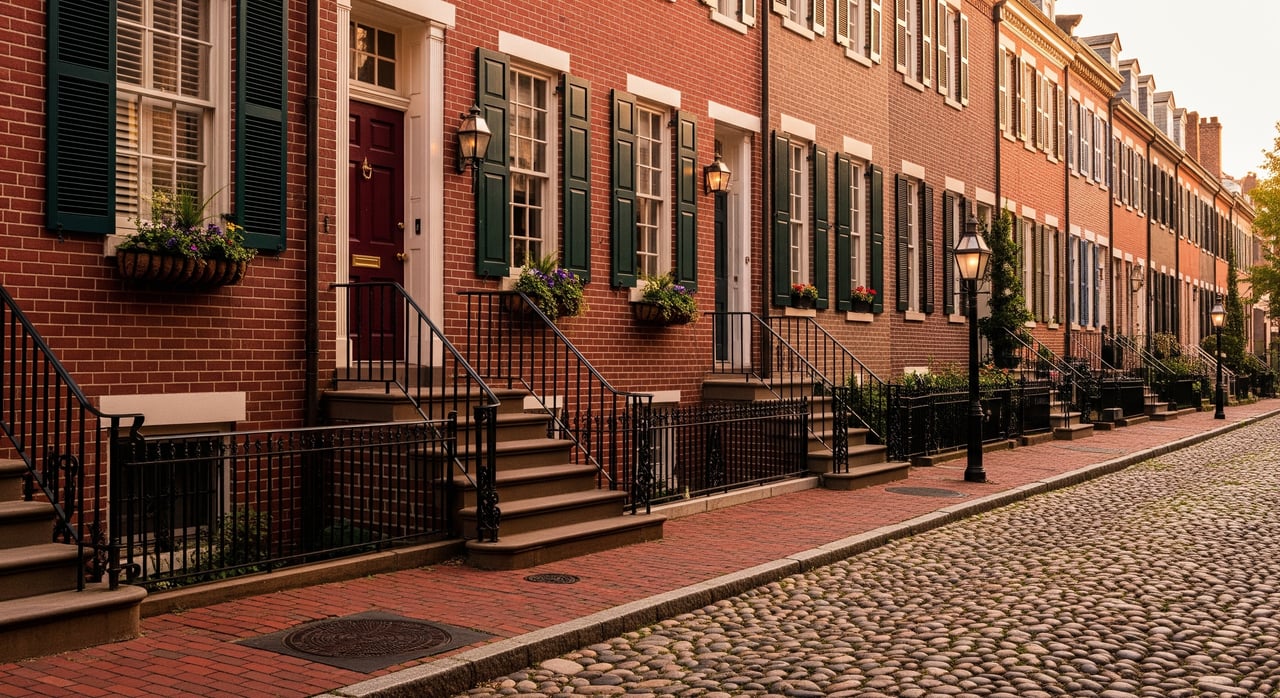
Old Town is Alexandria’s historic core along the Potomac River. You will find brick rowhouses, leafy side streets, and a lively King Street corridor where shops, cafés, and galleries cluster within an easy walk. It feels bustling near King Street and the waterfront, especially on weekends and during events, and quieter on the residential blocks a few streets away.
Day-to-day life is highly walkable. Many errands, workouts, and dinners out can happen on foot. Waterfront parks and promenades frame morning jogs and evening strolls. The neighborhood blends longtime residents with newcomers who want charm, convenience, and access to the region.
Where you will spend time
King Street and Market Square
King Street is the main spine. Boutiques, antique stores, coffee shops, and restaurants line the blocks from the Metro down to the river. Market Square hosts a popular farmers’ market and community programming that draws neighbors year-round.
Waterfront and Torpedo Factory
The waterfront offers a promenade, parks, marinas, and seasonal boat activity. The Torpedo Factory Art Center anchors community arts with studios and galleries where you can meet working artists and browse rotating exhibits.
Dining, shops, and services
Expect a wide range of eateries, from casual cafés to refined dining, plus specialty retailers that favor boutique experiences. Everyday services are close at hand, though some big-box needs often require a short drive to nearby shopping centers.
Parks, trails, and events
You have direct access to the Mount Vernon Trail for longer runs and bike rides toward DC or south to Mount Vernon. Small parks and green pockets dot the grid. Seasonal festivals and parades bring energy and crowds, especially around holidays and arts events.
Housing options and what to expect
Rowhouses, condos, and more
Old Town is known for historic brick rowhouses and townhomes on narrow lots. You will also find mid-rise condominiums, especially closer to the waterfront and in adjacent Carlyle, which offer more modern layouts and building amenities. A smaller number of detached homes exist on certain blocks and in nearby neighborhoods.
Historic district rules explained
Much of Old Town sits within Alexandria’s Old & Historic District. Exterior changes visible from the street often require review and approval through the city’s historic processes. That can include window replacements, additions, demolitions, and material changes. Interior work is generally less restricted, but you should plan for permits where required. If you are a buyer, ask for documentation of past approvals and any outstanding items.
Ownership costs and maintenance
Home values and rents in Old Town are typically higher than many parts of Alexandria because of location, character, and limited inventory. Condos add association fees. Maintenance on older homes can cost more, especially for masonry, roofs, and system updates. If you plan a restoration, expect added time and budget for historically appropriate work.
Flood awareness near the river
Properties close to the river may sit in FEMA flood zones or face tidal-flood exposure. That can affect insurance and financing. Before you make an offer, order a current flood-zone determination and obtain insurance quotes. If you sell, providing elevation certificates and insurance history helps buyers move quickly.
Getting around and commute
Metro, DASH, and trolley
The King Street–Old Town Metro station on the Blue and Yellow lines connects you directly to downtown Washington. Reagan National Airport is only a short Metro ride away. DASH buses link Old Town to other parts of Alexandria. The King Street trolley typically runs between the waterfront and the Metro, with service that varies by season.
Car access and parking
Old Town’s narrow streets and historic lot patterns mean limited on-street parking. Some homes do not have garages or driveways. The city operates residential parking programs and permit zones in certain areas. Paid lots and garages are available, but costs can add up. Driving can be slow near King Street during peak hours or events.
Bike and walk options
Walkability is a major draw. You can cover most of your daily needs on foot in the core. Cyclists use the Mount Vernon Trail and local bike lanes, and there are Capital Bikeshare stations throughout Old Town for quick trips.
Water connections
Seasonal boat services and water taxis link Old Town to other waterfront destinations. Marina slip availability is limited and often waitlisted, so plan ahead if boating is part of your lifestyle.
Is Old Town a fit for you?
It suits you if
- You want a walkable, amenity-rich neighborhood with historic character.
- You value proximity to DC, Metro access, and the airport.
- You enjoy arts, dining, and community events within a compact, scenic setting.
- You are comfortable with the upkeep of an older home or prefer condo living for lower maintenance.
Tradeoffs to weigh
- Prices and rents are higher, and inventory can be tight.
- Parking can be challenging and sometimes costly.
- Historic-preservation rules can limit exterior changes and extend timelines.
- Tourist activity brings crowds, noise, and parking pressure on weekends.
- Waterfront areas may have flood risk that affects insurance and planning.
Practical checklists
Buyer checklist
- Confirm whether the property is in the historic district and ask for prior approvals or permits.
- Order a current flood-zone determination and insurance quote before finalizing your offer.
- Inspect roof, plumbing, HVAC, electrical, and masonry; price out updates for older systems.
- Clarify parking: on-street permits, dedicated spaces, or nearby garage options.
- Test commute routes during peak hours by your likely mode.
- If buying a condo, review association documents, reserves, special assessments, and rental restrictions.
Seller checklist
- Gather documentation for any permitted exterior work and prior approvals if you are in the historic district.
- Tackle common inspection items like moisture, foundation, roofing, and systems.
- Showcase walkability, Metro proximity, and waterfront access in your listing.
- If near the river, provide flood-elevation certificates and insurance history to bolster buyer confidence.
Daily rhythm: what living here feels like
On weekdays, mornings start with coffee runs and trail miles, while commuters head to Metro or DASH stops. Midday is calmer, with residents running errands on foot. Evenings bring dinner crowds along King Street and calmer side streets.
Weekends can be lively. Markets, arts events, and seasonal festivals draw visitors, so plan ahead for parking and reservations. If you prefer a quieter pace, target errands earlier in the day, explore side-street gems, or enjoy the waterfront parks beyond peak times.
Short-term rentals and permitting
Short-term rental rules are set by the City of Alexandria and can change. If you are considering Airbnb or VRBO, review current city ordinances, permits, and taxes before listing. If you are buying, confirm any building or HOA restrictions on rentals.
A local approach to buying or selling
Choosing a home in Old Town is about lifestyle fit, renovation comfort, and smart planning around parking and flood considerations. If you are selling, success comes from polished presentation, proactive documentation, and targeted marketing that highlights walkability and access.
When you are ready to make a move, partner with a team that lives this neighborhood. With neighborhood-level expertise and boutique, high-touch service backed by strong operational support, The LizLuke Team helps you navigate Old Town’s unique housing, permitting, and market dynamics with confidence. Reach out to discuss your plans, request a pricing review, or preview private opportunities.
FAQs
What is daily life like in Old Town Alexandria on weekends?
- Expect lively streets near King Street and the waterfront during markets and events, with quieter residential blocks a few streets away.
How do historic district rules affect renovations in Old Town?
- Exterior changes visible from the street often need city review and approval, while interior work is generally less restricted but may still require permits.
What should buyers know about parking in Old Town Alexandria?
- Many homes lack garages, on-street parking can be limited, and you may rely on residential permits or paid garages, especially near King Street.
Is flood insurance required for waterfront homes in Old Town?
- It depends on the property’s FEMA flood-zone status, so check a current determination and get insurance quotes before you buy or list.
What are typical commute options from Old Town to DC?
- The Blue and Yellow lines at King Street–Old Town provide direct Metro access, while driving times vary with traffic and DASH buses serve local routes.
Are short-term rentals allowed in Old Town Alexandria?
- They are locally regulated, so you should review the City of Alexandria’s current rules, permits, and taxes and confirm any building or HOA limits.