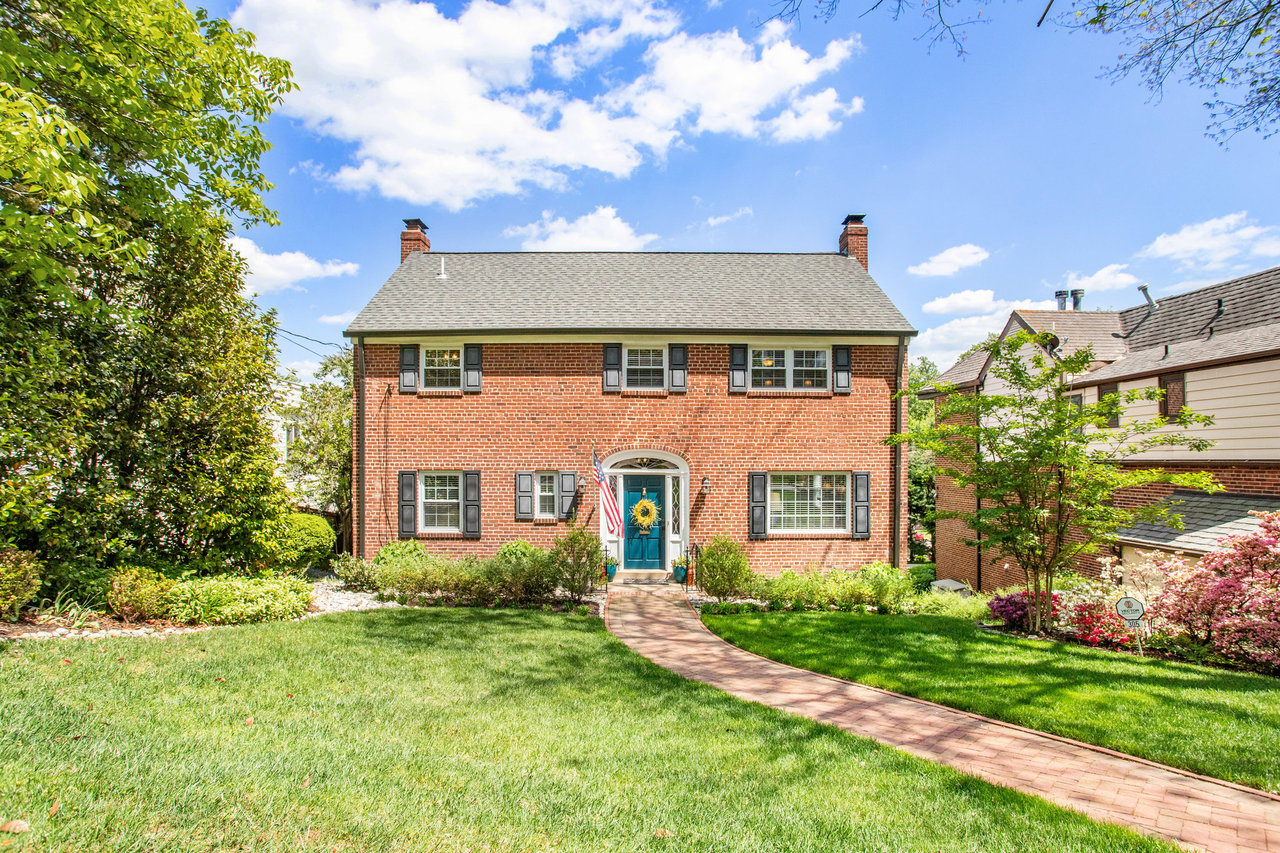
Are you debating whether to order a pre-listing inspection or list your Beverly Hills home as-is? You want a smooth sale, the best price, and a timeline that fits your move. The choice you make affects your leverage, your buyer pool, and how long you spend negotiating repairs. In this guide, you’ll learn the real differences, local legal musts, lender realities, and smart strategies for Alexandria’s Beverly Hills neighborhood. Let’s dive in.
Pre-inspection explained
A pre-inspection means you hire a licensed home inspector before you list. You use the report to plan repairs, set pricing, and prepare disclosures. You can also share the report with buyers to build confidence and speed up the process.
In older Beverly Hills homes, a pre-inspection helps uncover age-related issues early. You can choose what to fix, what to disclose, and how to price. This approach reduces surprises during the contract period.
Benefits for sellers
- Reduces deal surprises and delays between contract and closing.
- Helps you make targeted repairs that support price and marketability.
- Builds buyer confidence, especially for owner-occupants using financing.
- Lets you pick contractors and control costs and timing.
Drawbacks for sellers
- Upfront cost for inspection and any specialist testing.
- Repair spend may not deliver dollar-for-dollar returns.
- Some buyers may still request additional repairs or credits.
What “as-is” really means
“As-is” signals you will not agree to repairs as a condition of sale. It does not remove your duty to disclose known material defects or comply with required forms. Buyers can still inspect unless they waive that contingency.
In practice, “as-is” is a contract choice. It can work well when targeting investors or cash buyers who plan renovations. For owner-occupant buyers using loans, lender rules may still require repairs before closing.
Contract and lender realities
- “As-is” addresses repairs, not disclosures or fraud liability.
- Lenders and appraisers may require safety or condition repairs to approve the loan.
- Buyers who waive inspection take on more risk and often seek price adjustments.
Pros for sellers
- Minimal upfront cost and no repair scheduling.
- Appeals to buyers looking for value-add opportunities.
- Clear limits on repair obligations if the contract is written correctly.
Cons for sellers
- Smaller buyer pool when many purchasers use financing.
- Higher perceived risk can lower offers or lengthen days on market.
- Does not protect against liability for known or concealed defects.
Virginia and Alexandria disclosures
You must still complete Virginia’s required seller disclosure forms honestly, even in an “as-is” sale. You should also disclose known material defects. If your home was built before 1978, you must provide the federal lead-based paint disclosure and the approved pamphlet.
In the City of Alexandria, permit history, code issues, floodplain details, or historic-district rules may be relevant to disclose or verify. When in doubt, consult your agent and an attorney. For authoritative guidance on forms, rules, and current contract practices, review resources from Virginia REALTORS, the Northern Virginia Association of REALTORS, and City of Alexandria offices.
Beverly Hills market context
Beverly Hills in Alexandria features many mid-20th-century homes. Age-related issues such as older electrical systems, plumbing, roofs, and potential lead-based paint are common considerations. The local buyer pool often includes purchasers using conventional, FHA, or VA financing.
In competitive seller markets, buyers may limit contingencies, and some sellers lean on “as-is.” In balanced or buyer-leaning markets, buyers expect inspections and may request repairs or credits. Your approach should match current demand, your timeline, and your budget for improvements.
Typical inspection issues locally
- Roof age and condition.
- HVAC age and service records, including older fuel systems.
- Electrical concerns such as outdated panels, aluminum wiring, or older service capacity.
- Plumbing materials like galvanized steel or polybutylene, and sewer lateral condition.
- Moisture or drainage issues in basements or crawlspaces.
- Possible lead-based paint in pre-1978 homes and other environmental concerns.
- Insulation and energy efficiency, including single-pane windows.
- Pest or termite evidence.
- Site-specific items like floodplain proximity or stormwater rules.
Mechanical or structural items often drive repair requests. Environmental testing for radon or mold may be prudent.
Financing and appraisal checkpoints
Loan programs such as FHA and VA have minimum property standards. Appraisers can call out safety or condition items that require repair before loan approval. Conventional loans can also raise repair conditions.
If you sell “as-is,” lender-required repairs may still be necessary to close. Cash buyers or investors have more flexibility, but they should still conduct due diligence. Plan ahead so lender or appraisal conditions do not derail your timeline.
Strategy paths for sellers
Here are three proven approaches that work well in Beverly Hills:
Strategy A: Pre-inspect and repair
- Order a general inspection and targeted specialist tests based on home age and condition.
- Prioritize repairs that affect saleability or lender acceptance, such as roof and safety issues.
- Keep receipts and permit documentation. Offer to buyers for transparency.
Best when you want to maximize the buyer pool and reduce contract friction.
Strategy B: Pre-inspect, disclose, and sell “as-is”
- Share the inspection report and price with known issues in mind.
- Offer a credit instead of doing repairs if needed.
- Attract buyers who value transparency and plan to renovate.
Best when you want speed and clarity without taking on contractors.
Strategy C: List “as-is” without a pre-inspection
- Useful when targeting investors or pricing aggressively for condition.
- Expect buyers to inspect and negotiate credits or repair requests.
- Be prepared for a potentially smaller pool and more contingencies.
Best when you want minimal prep and are comfortable trading condition for price.
Case study: Two Beverly Hills paths
- Seller A pre-inspects a 1950s home, repairs the electric panel and a minor roof issue, and shares documents with buyers. Results: More showings, confident offers from financed buyers, and a shorter inspection period.
- Seller B lists “as-is” at a lower price, expecting investor interest. Results: Strong traffic from value-seeking buyers, inspection contingencies remain, and the final price reflects both condition and the buyer’s repair risk.
Both paths can succeed. Your choice depends on your goals, the home’s condition, and the current buyer mix.
Cost, timeline, and ROI snapshot
A general home inspection often ranges from about $300 to $800, depending on size and age. Specialist inspections, such as sewer scope, termite, radon, mold, HVAC, or roof evaluations, can add $100 to $600 or more per test.
Pre-inspections can be completed in a few days, and repairs can add one to six weeks or more based on scope and contractor availability. If you wait for buyer inspections, expect a 7 to 14 day contingency period plus time for any agreed repairs. Some cosmetic updates can boost appeal without full cost recovery, while major systems often affect lender approval and buyer confidence.
Buyer guide for Beverly Hills
If a seller provides a pre-inspection, review the report, ask clarifying questions, and consider a buyer inspection if you want your own baseline. If the listing is “as-is,” estimate post-closing repair costs and confirm your financing can accommodate any lender-required fixes.
If you are using FHA or VA loans, plan for possible property standards that may require repairs before closing. Cash buyers and investors may accept more condition risk but should still conduct inspections and budget for surprises.
Decision checklists
Use these quick lists to focus your plan.
Seller checklist
- Confirm Virginia and federal disclosures, including lead-based paint rules for pre-1978 homes.
- Assess current market conditions and likely buyer financing mix.
- Decide whether to pre-inspect based on home age, condition, and timeline.
- Prioritize fixes that impact safety, roof, electrical, plumbing, and HVAC.
- Gather permits, receipts, warranties, and service records.
- Coordinate with your agent on pricing strategy, credits, and marketing.
Buyer checklist
- Inspect even if the seller shares a report, unless you fully accept it.
- Ask your lender about property standards and repair requirements.
- Budget for repairs, especially in older homes with known age-related items.
- Use inspection timelines and contingencies to manage risk.
- Review permits and records for recent work.
Risk and dispute prevention
“As-is” does not remove liability for intentional nondisclosure or concealment. Clear, accurate disclosures reduce disputes. If you complete significant repairs, document the work and permits.
For sellers, proactive repairs and full documentation help prevent post-closing issues. For buyers, a thorough inspection strategy reduces risk and gives you confidence at settlement.
Ready to choose a path that fits your goals in Beverly Hills? Partner with a local team that understands Alexandria’s housing stock, buyer expectations, and lender requirements. For a tailored plan and pricing strategy, reach out to The LizLuke Team.
FAQs
What does “as-is” mean in Alexandria home sales?
- It typically means the seller will not make repairs as a condition of sale, but it does not remove the duty to disclose known material defects.
Do I still need the lead paint disclosure for pre-1978 homes?
- Yes, federal law requires the lead-based paint disclosure and approved pamphlet regardless of “as-is” status.
Will a pre-inspection speed up my Beverly Hills sale?
- Often yes, because it reduces negotiation delays and can shorten the inspection period, though buyers may still do their own inspection.
Can my lender require repairs on an “as-is” purchase?
- Yes, FHA, VA, and some conventional loans have property standards that may require repairs before closing.
Which approach gets better results in Beverly Hills?
- It depends on market conditions, your buyer pool, the home’s condition, and your budget and timeline. Pre-inspection often helps owner-occupied sales; “as-is” can fit investor-focused listings.