If you are selling in Rosemont, you are not just putting a house on the market. You are presenting a home in one of Alexandria’s most distinctive historic neighborhoods, where architecture, condition, and location all shape buyer demand. That means a generic listing plan can leave value on the table. When you understand how The LizLuke Team strategically markets Rosemont homes, you can see why thoughtful pricing, polished presentation, and neighborhood-specific storytelling matter so much. Let’s dive in.
Why Rosemont Needs a Tailored Strategy
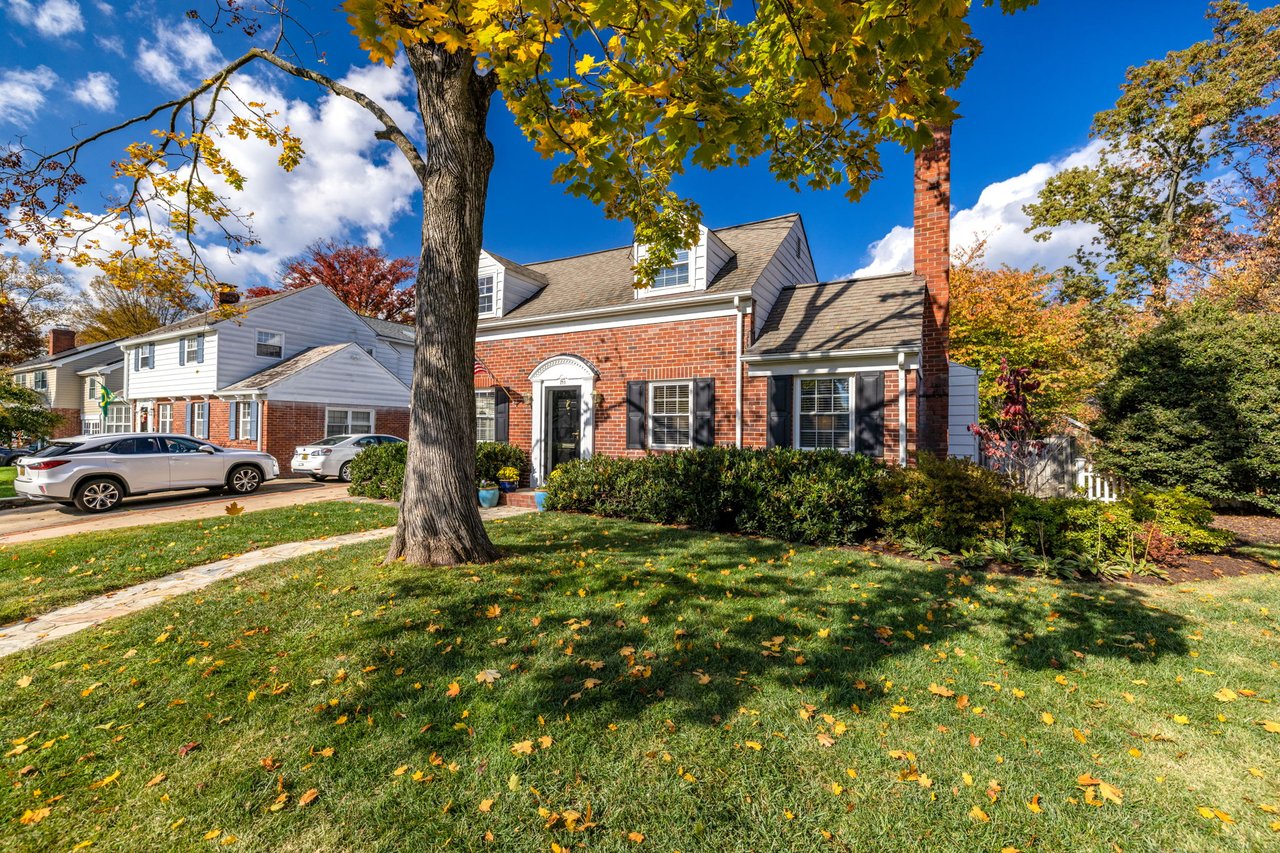
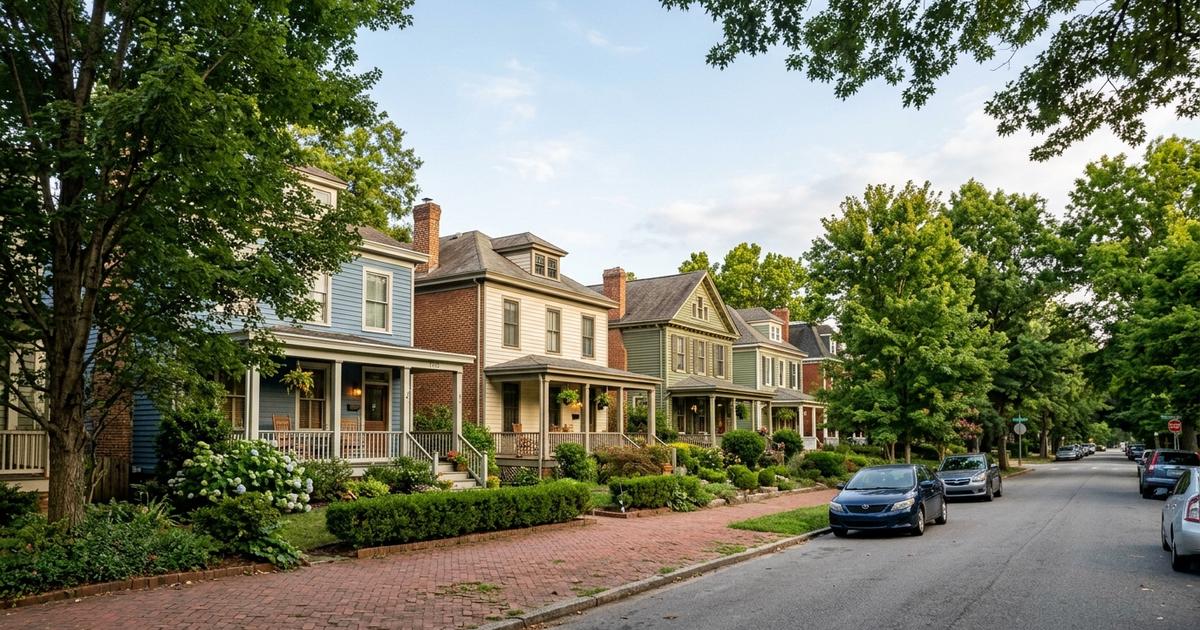
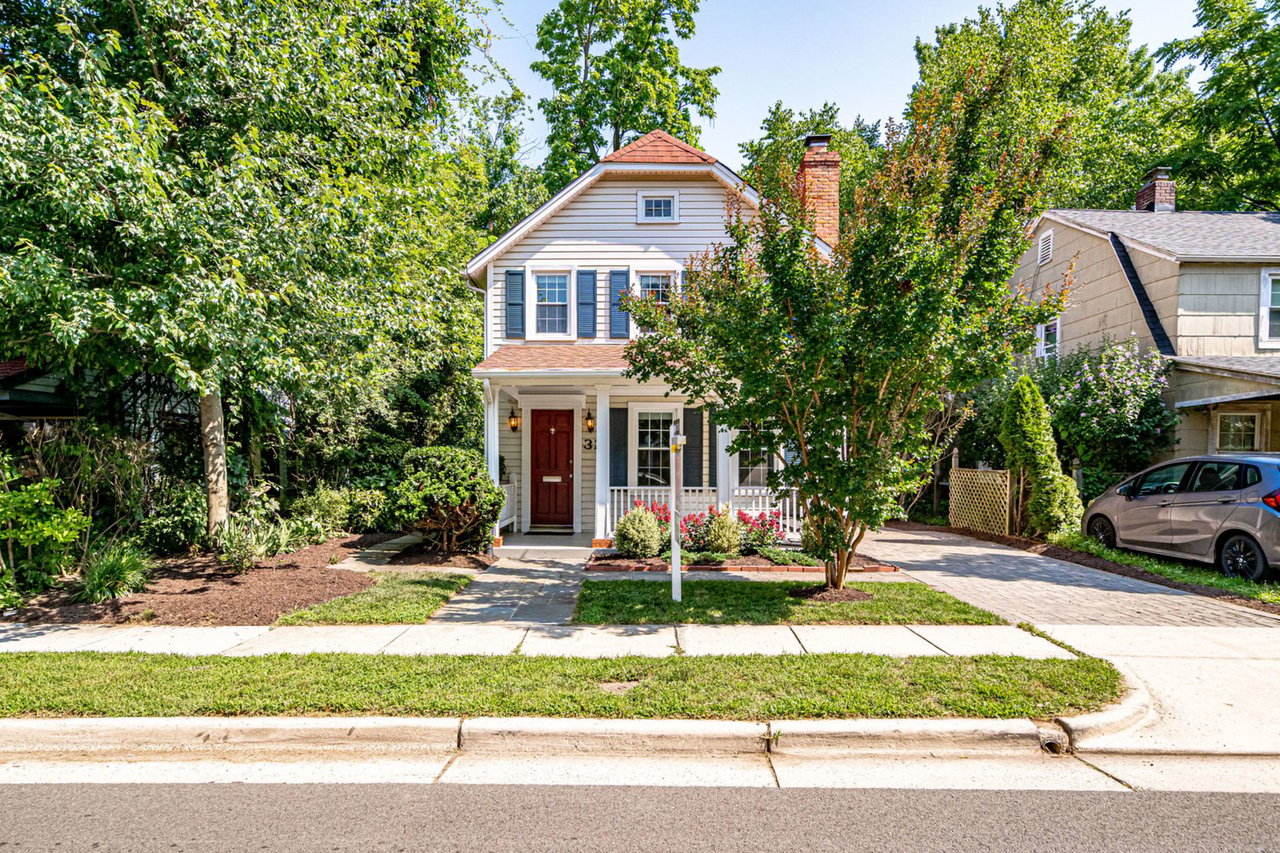
Rosemont is not a one-size-fits-all market. The Rosemont Historic District covers about 84 acres and includes more than 450 residences developed largely between 1908 and 1914, with a cohesive mix of Craftsman, Colonial Revival, and related early-20th-century styles.
That historic character is a major selling point, but it also means buyers tend to look closely at details. They want to understand how a home’s original charm, layout, updates, and condition fit together. In a neighborhood like this, marketing has to do more than announce a listing. It has to tell the right story.
Rosemont also appeals to buyers because of its access and convenience. The neighborhood’s civic association highlights proximity to Metro, the train station, Old Town, and Del Ray, which supports the kind of lifestyle many buyers are seeking when they search in this part of Alexandria.
Rosemont Market Conditions Shape the Launch
In a small neighborhood, every listing matters. According to Redfin’s February 2026 Rosemont Historic District housing market data, the median sale price was $955,000, median price per square foot was $647, median days on market was 14, and the sale-to-list ratio was 101.9%.
That same report shows 33.3% of homes sold above list price, but only three homes sold that month. This is important because a small sample can swing quickly. In Rosemont, broad averages only tell part of the story, which is why a seller benefits from careful pricing and a smart first impression from day one.
Strategic Pricing Starts With the Right Comparables
A strong Rosemont launch begins before photography, staging, or marketing copy. It starts with pricing. The LizLuke Team’s home valuation process is built around a comparative market analysis, or CMA, which looks at similar recent sales, adjusts for differences, and estimates current market value based on real local data.
That matters even more in Rosemont than in larger neighborhoods. With limited sales volume and homes that often vary in age, style, updates, and lot characteristics, comp selection is critical. Two homes on paper may look similar by square footage, but buyers may respond very differently depending on layout, renovation quality, preserved architectural details, or outdoor space.
Instead of leaning on broad citywide averages, a strategic pricing process looks closely at what buyers in Rosemont are actually paying for. That helps position your home to attract serious attention without missing the market at launch.
Early Condition Review Helps Avoid Surprises
Older homes often come with more questions, and buyers know that. That is one reason pre-listing preparation can have such a big impact in Rosemont. On its blog, The LizLuke Team explains that a pre-listing inspection can uncover age-related issues early, reduce surprises during negotiations, and help support pricing and disclosure decisions.
For sellers in a historic neighborhood, that is a practical advantage. If a roof detail, foundation issue, window condition, or mechanical concern is identified before listing, you have more control over how to address it. You can decide whether to repair it, disclose it, price around it, or prepare documentation that gives buyers more confidence.
This kind of planning can also help your marketing. When a home is presented with clarity instead of uncertainty, buyers can focus on what makes it special rather than what might go wrong.
Historic Character Is a Marketing Asset
Rosemont buyers are often drawn to the neighborhood because it feels established and architecturally consistent. The neighborhood’s historic identity is not background information. It is part of the value proposition.
That means marketing should spotlight the features that make the home and neighborhood feel distinct. Depending on the property, that may include original trim, front porches, dormers, traditional façades, wood floors, period windows, or thoughtful updates that respect the home’s character.
It also means the listing should connect the house to the lifestyle buyers want. The LizLuke Team’s own Rosemont neighborhood page notes a community of 2,060 residents, a median age of 50, and average individual income of $129,370. For many Rosemont sellers, that supports a more refined marketing approach focused on presentation, confidence, and neighborhood knowledge rather than mass-market tactics.
Visual Marketing Needs to Be Detailed
In a neighborhood where architecture and layout matter, visuals carry a lot of weight. Buyers want to understand not just how a home looks, but how it lives. That is especially true when a historic floor plan includes spaces, additions, or updates that may not be obvious from a quick photo set.
The LizLuke Team’s listing presentation appears to reflect that need for detail. A Compass listing associated with the team included 72 photos, a virtual tour, and separate floor plan images. That type of visual package gives buyers a fuller picture and helps them engage with the home before they ever schedule a showing.
For a Rosemont seller, strong visuals can help buyers appreciate:
- Room flow and scale
- The relationship between original architecture and newer updates
- Outdoor living areas and lot use
- Storage, lower levels, and bonus spaces
- Design details that may not read well in a basic listing
When photography, floor plans, and digital presentation work together, your home feels more complete and more compelling online.
Pre-Market Exposure Can Be Useful
Not every Rosemont listing should launch the same way. Some homes benefit from immediate public exposure. Others may benefit from a quieter rollout while preparation is still underway or while pricing feedback is being tested.
Compass offers Private Exclusives and a 3-phase launch strategy that can allow sellers to test price, gather insights, and build anticipation before a listing appears on public websites. Compass also notes that its Concierge program can front the cost of services like staging, flooring, and painting until closing.
If those tools are used for a specific listing, they can support a more flexible launch plan. For example, a seller may choose to start privately while final touch-ups are completed, then move into a broader public launch once the home is fully ready. In a neighborhood as nuanced as Rosemont, that kind of sequencing can be a smart way to protect first impressions.
Historic Updates Require Smart Guidance
One of the biggest misconceptions sellers can have in a historic area is assuming all historic designations work the same way. The City of Alexandria’s preservation guidance explains that National Register districts are not regulated by the city’s Historic Preservation department, while Board of Architectural Review approval is required for certain new construction and exterior changes in local historic districts and in some cases involving designated 100-year-old buildings.
That distinction matters if you are considering exterior improvements before listing. Projects such as replacing windows, changing façade elements, or making visible exterior alterations may involve different considerations than cosmetic interior updates.
For a seller, the practical takeaway is simple: before you invest in changes, make sure they align with the property, the market, and any applicable review requirements. The right strategy is not always doing more. Sometimes it is documenting past work, making selective updates, and marketing the home clearly and honestly.
Team Structure Supports Better Execution
A strategic marketing plan is only as good as its execution. The LizLuke Team says it was founded in 2003, is led by Elizabeth Lucchesi, and includes dedicated roles such as a Marketing Manager and Transaction Coordinator, with more than $1 billion in combined sales noted on the team page.
For you as a seller, that kind of structure matters. It suggests that pricing, listing preparation, marketing execution, and transaction management are not being handled in a rushed or fragmented way. Instead, there is a team framework behind the process, which can help keep details moving on schedule and communication clear.
That is especially valuable in Rosemont, where the margin for error can feel small. When inventory is limited and homes are highly specific, strong coordination helps your listing hit the market in the best possible position.
What Strategic Rosemont Marketing Looks Like
When you put the pieces together, a strong Rosemont marketing plan is not about doing more for the sake of appearances. It is about doing the right things in the right order.
That usually includes:
- Pricing with precision using hyper-local comparables
- Reviewing condition early to reduce surprises
- Highlighting historic character in a way buyers understand
- Creating a detailed visual package with strong photography and floor plans
- Considering pre-market options when timing or preparation calls for it
- Coordinating the process closely so launch day feels intentional, not rushed
In Rosemont, those choices can shape how buyers perceive value from the moment your home goes live.
If you are thinking about selling and want a strategy built around your home’s architecture, condition, and market position, connect with The LizLuke Team. You can get thoughtful guidance, local insight, and a polished plan designed for how Rosemont buyers actually shop.
FAQs
How does The LizLuke Team price Rosemont homes?
- The team’s pricing approach is based on a comparative market analysis, which reviews similar recent sales and adjusts for differences to estimate current market value.
Why is marketing different for Rosemont homes?
- Rosemont is a historic Alexandria neighborhood with early-20th-century housing, limited sales volume, and buyers who often value both architectural character and location convenience.
Should you get a pre-listing inspection for a Rosemont home?
- A pre-listing inspection can help identify age-related issues early, reduce surprises during negotiations, and support pricing and disclosure decisions.
Can Rosemont sellers market a home privately first?
- In some cases, Compass Private Exclusives and phased marketing tools may allow a seller to test pricing, gather feedback, and build interest before going fully public.
Do historic rules affect updates before listing a Rosemont home?
- They can. The City of Alexandria notes that review requirements depend on the type of historic designation and the scope of exterior work, so it is wise to check before making changes.
What kind of visuals help Rosemont listings stand out?
- Detailed photography, virtual tours, and floor plans can help buyers understand layout, updates, and architectural features more clearly in a historic neighborhood.