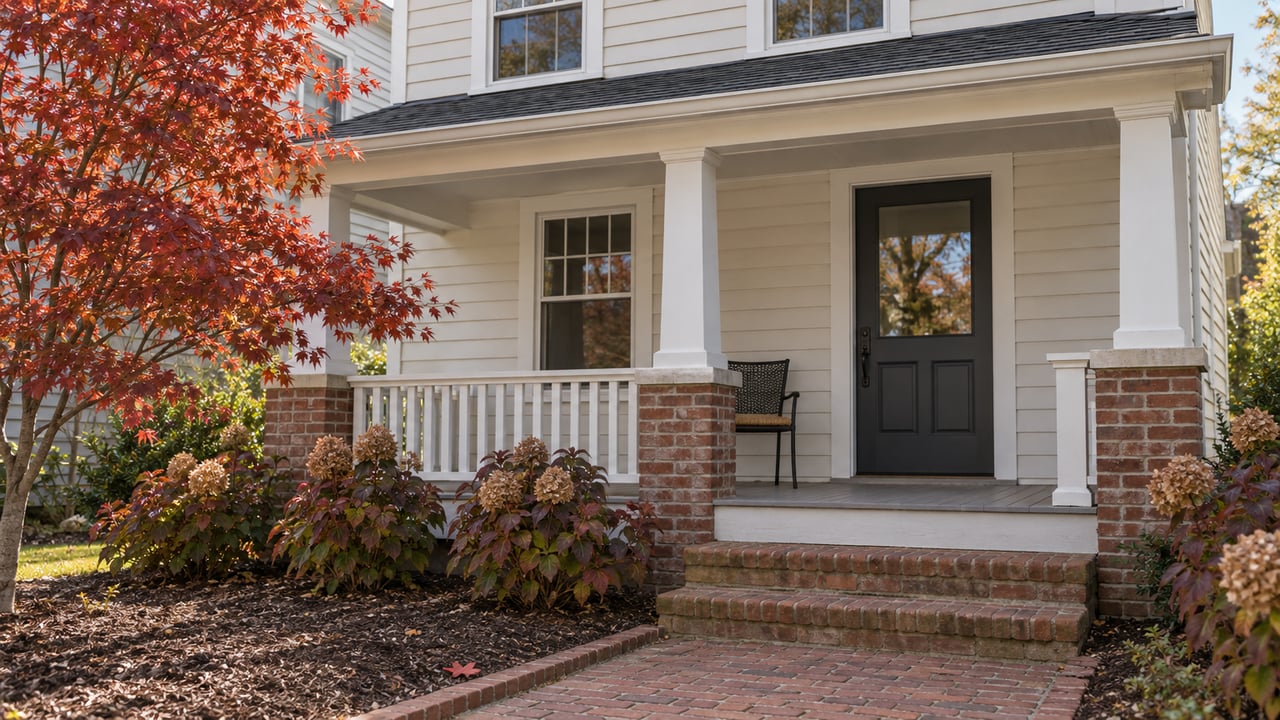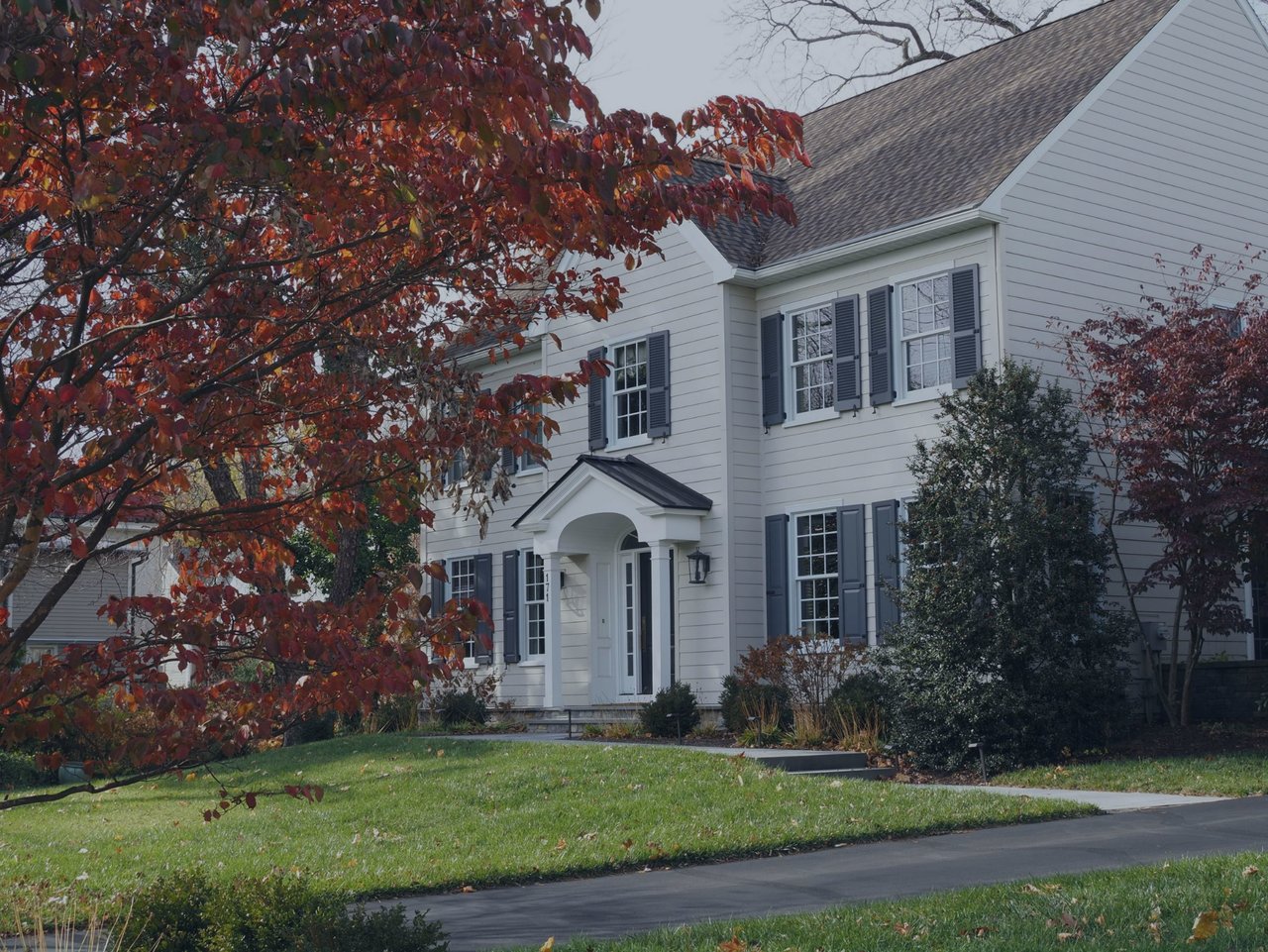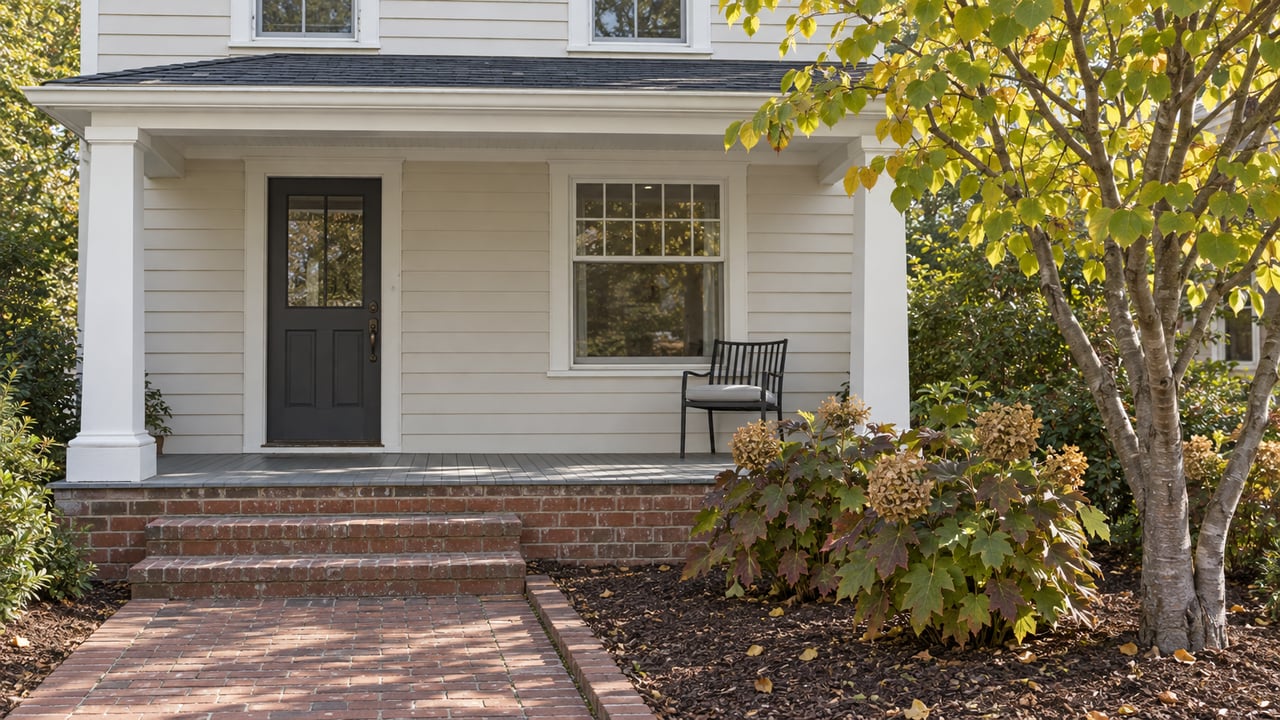
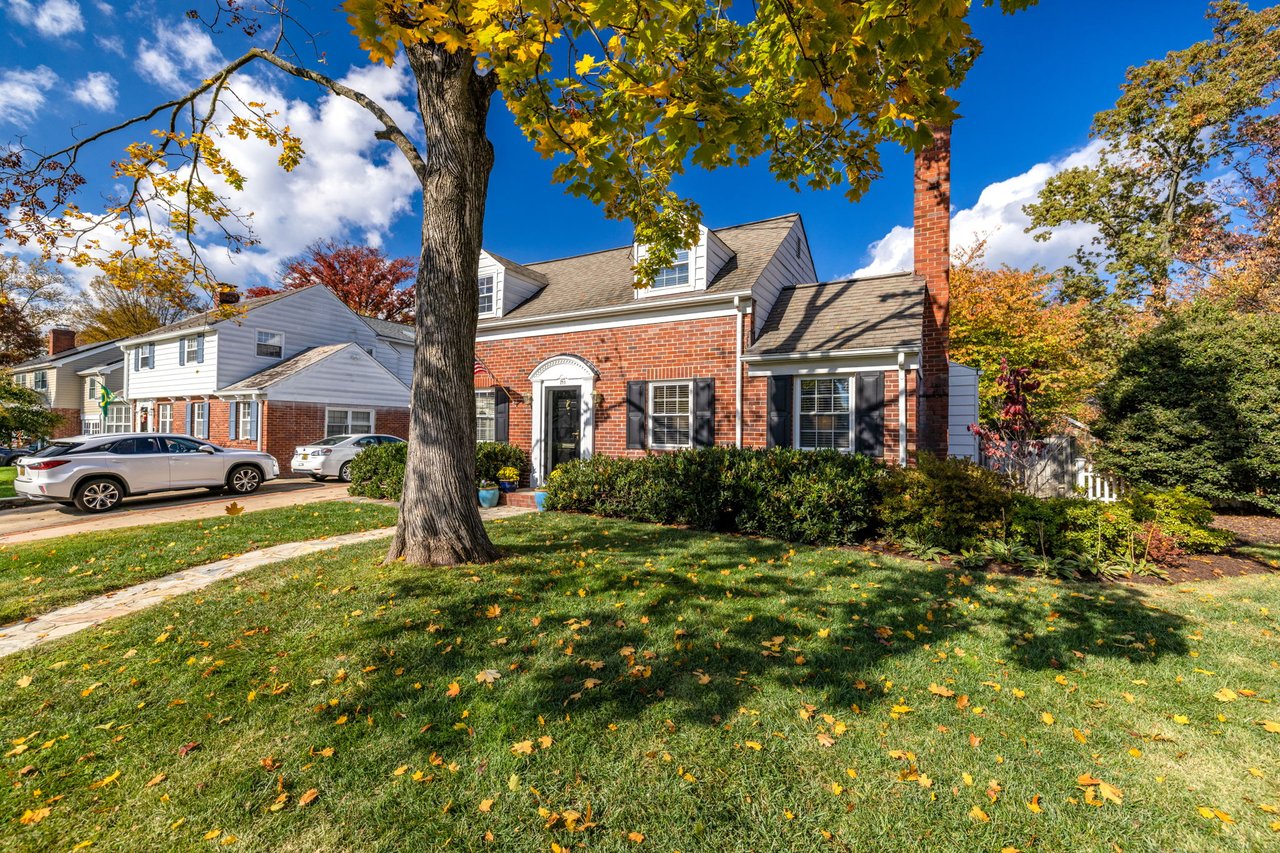
A five-bedroom Craftsman on Elmore Drive closed for $1,775,000 during the week of August 13-19, 2026. That same week, the median sale price across all of Alexandria was $641,000, and the average was $744,812 on homes averaging 1,628 square feet. A few weeks earlier, in the July 23-28 closings, Beverley Hills again showed up among the four priciest sales in the entire city, alongside Braddock Heights, Potomac Greens, and the Parker-Gray Historic District.
If you're cross-shopping Beverley Hills against Del Ray or Rosemont using a portal's median price, you're looking at a number that doesn't mean what you think it means. Beverley Hills isn't one housing market. It's two, wearing the same zip code.
A Neighborhood Built From One Template
Beverley Hills was laid out in the 1930s as a planned residential community, roughly 600 lots filled in with Colonials and Cape Cods over that decade and the one that followed. The homes started from a narrow set of blueprints. Small footprints, modest room counts, a garage tucked into the plan almost as an afterthought.
That template didn't stay put. Long-time residents describe a pattern where the same house gets touched again and again over the decades, not once but repeatedly, as owners come and go and each one pushes the walls out a little further. One local homeowner's account of their own Beverley Hills property, built in 1939, put the number at five separate expansions between that year and the present, on a house that's still only moderate in size today. That's not an outlier story. It's close to the norm here. Original garages have largely been converted into living space, and the neighborhood's own real estate copy routinely notes that few homes remain in their original footprint.
So when you pull up listings in Beverley Hills, you're not comparing houses that differ by finish level or lot size the way you might in a newer subdivision. You're comparing two structurally different products that happen to share a founding blueprint from ninety years ago.
What the Two Versions Actually Look Like
The spread shows up in the square footage data. Homes in Beverley Hills range from roughly 1,391 to 5,100 square feet, a gap wide enough to contain a starter Cape Cod and a small estate under the same neighborhood label.
On one end, you have homes close to their original 1930s or 1940s footprint: two or three bedrooms, a compact kitchen, a garage that was either never converted or converted decades ago into a den. These are the homes that anchor the lower end of any Beverley Hills price range you see quoted.
On the other end, a property like 813 Beverley Drive, which sold for $1,817,000 in February 2026 at 3,214 square feet, five bedrooms and four and a half baths. That's not a 1939 floor plan. That's a 1939 lot with decades of addition work layered on top, a finished basement, updated systems, and a size that's roughly double what the neighborhood started with.
Both of these are "Beverley Hills homes." Neither one tells you what the other one costs.
Near-original footprint | Expanded and renovated | |
|---|---|---|
Typical size | Roughly 1,400-1,800 sq ft | 3,000+ sq ft |
Garage | Often original or converted to den/storage | Frequently absorbed into living space or rebuilt |
Kitchen/baths | Original layout, smaller footprint | Multiple additions, updated systems |
What you're buying | The 1930s-40s plan, largely intact | Decades of permitted (or unpermitted) construction stacked on that plan |
The Permit Question Nobody Thinks to Ask
Here's where the comparison stops being academic and starts affecting your closing.
Renovations by Ed says Beverley Hills sits outside Alexandria's historic district overlays, which means additions here go through the city's standard residential permit process rather than a Board of Architectural Review hearing. That's typically a cleaner path, often a three to six week review rather than the multi-month calendar BAR submissions require in Old Town. But cleaner doesn't mean optional: permit requirements still matter for additions, garage conversions, and finished basements.
Given how much of Beverley Hills' housing stock has been expanded, the odds that you'll eventually look at a home with an unpermitted addition somewhere in its history are not small. A 2026 remodeling cost guide for the Alexandria market puts it plainly: unpermitted work becomes a problem at resale, often an expensive one. That's not a hypothetical for a neighborhood where the typical house has been touched multiple times since 1939. It's a live question for anyone comparing two similarly sized Beverley Hills listings and wondering why one is priced meaningfully lower.
The same cost data notes that additions in Alexandria currently run somewhere in the range of $350 to $650 per square foot depending on scope, and that finished basements carry particularly strong return on investment in neighborhoods such as Beverley Hills, Del Ray and Rosemont. That's useful context if you're the one selling: a basement finished with a permit on file is worth more to a buyer's lender and appraiser than an identical basement with no paper trail, even if the drywall looks the same.
Reading a Listing Like You've Lived Here
If you're comparing Beverley Hills against other Alexandria neighborhoods, the median price on any portal is close to useless on its own. What matters is figuring out which version of the neighborhood's house you're actually looking at.
Start with the gap between the listed square footage and what a 1930s-40s Cape Cod or Colonial would have originally offered. A house pushing past 2,800 or 3,000 square feet on a Beverley Hills lot has almost certainly been expanded more than once, and that history is worth asking about directly, not inferring from photos. Alexandria maintains permit records that a buyer's agent can pull before you're deep into a contract, and it's a five-minute check that tells you whether the addition you're admiring in the listing photos was inspected and signed off, or whether it's the kind of project that surfaces during a lender's appraisal instead.
The same logic runs in reverse if you're selling. A house that's stayed close to its original footprint isn't automatically worth less: for some buyers, an intact 1930s layout with good bones is the draw. But if your home has been through multiple additions over the decades and you're not certain every one of them was permitted, that's worth resolving before you list, not after an inspection contingency flags it.
What This Means If You're Choosing Between Neighborhoods
Del Ray and Rosemont carry their own version of this same dynamic. Bungalow-scale original homes sit next to heavily expanded rear additions on comparable lots, and the same permit logic applies across all three neighborhoods. But Beverley Hills is where the spread is widest, because the starting template was smaller and the decades of individual expansion have had more room to diverge. That's the real reason the same neighborhood can produce a $1,775,000 closing one week and comps well under $1 million a few blocks away. You're not seeing one market with a wide range. You're seeing two markets that happen to share an address.
A Few Questions Worth Asking Before You Tour
Does an addition without a permit show up before closing? It often does, typically during the lender's appraisal or a buyer's home inspection, when square footage on record doesn't match what's built. Resolving it after an offer is accepted is more expensive and more stressful than catching it before you write one.
How do I check whether a Beverley Hills home's additions were permitted? Alexandria maintains permit history by address. A buyer's agent can pull this before you tour, and it's worth doing for any home that looks larger than a typical 1930s-40s Cape Cod or Colonial footprint.
If you're comparing Beverley Hills against Del Ray, Rosemont, or Old Town and want someone who can pull permit history and read a listing's renovation story before you fall in love with the photos, The LizLuke Team works this exact comparison with buyers and sellers across Alexandria every week. Reach out for a free home valuation and a straight answer about what you're actually pricing.
This article is general information, not legal, tax or financial advice. Consult a qualified professional about your situation.